
Thinking about sprucing up your yard? You’ve probably heard the term ‘residential landscaping services’ thrown around, and maybe you’re wondering what exactly that means. It’s more than just mowing the lawn or planting a few flowers. We’re talking about making your outdoor space look good, work well, and last a long time. This guide breaks down residential landscaping services explained, so you know what to expect when you decide to get some professional help.
Key Takeaways
- Landscaping is about shaping your outdoor areas to be both useful and attractive, mixing art with practical building.
- It involves softscape (plants, grass) and hardscape (patios, walls) to create a complete look and feel.
- Professional services cover everything from basic lawn upkeep and garden planting to building features like patios and installing lighting.
- Regular maintenance is key to keeping your landscape healthy and looking its best throughout the year.
- When hiring professionals, check their experience, services, and ask for references to make sure you get the right team for your project.
Understanding Residential Landscaping Services Explained
What Landscaping Encompasses
When you hear the word "landscaping," what comes to mind? Maybe it’s a perfectly manicured lawn, a colorful flower bed, or a sturdy stone patio. You’re not wrong, but it’s actually a bit more than that. Landscaping is essentially the art and science of shaping outdoor spaces. It’s about making the area around your home look good, sure, but it’s also about making it work better for you and the environment. This can involve everything from planting trees and shrubs to installing walkways and retaining walls. It’s a mix of design, horticulture, and construction, all aimed at transforming your yard into something functional and attractive. Think of it as the overall plan for your property’s exterior, tying together the house and the natural surroundings. It’s about more than just pretty plants; it’s about creating an outdoor living area that fits your lifestyle. Outdoor spaces are a big part of your home’s appeal.
The Blend of Art and Science
Landscaping isn’t just about slapping some plants in the ground and hoping for the best. There’s a real science behind it, involving understanding soil types, plant needs, drainage, and even local climate conditions. But there’s also a huge artistic side. A good landscaper thinks about color, texture, form, and how different elements will look together throughout the seasons. They consider the flow of the space, how people will move through it, and how it connects to your home’s architecture. It’s about balancing practical needs with aesthetic desires. You want a garden that’s beautiful, but you also need it to be easy to care for and perhaps provide some privacy. It’s this combination of technical knowledge and creative vision that makes professional landscaping so effective.
Beyond Just Aesthetics
While making your home look great is a big part of it, landscaping does more than just boost curb appeal. A well-designed landscape can actually improve your home’s functionality and even its value. For instance, proper grading can prevent water from pooling around your foundation, saving you from potential damage. Adding a patio can create a whole new area for entertaining or relaxing. Even the right plants can help with shade, reducing cooling costs in the summer. It’s about creating a space that’s not only pleasing to the eye but also serves a purpose and contributes to the overall health and usability of your property. It’s an investment in your home and your quality of life.
Core Components: Softscape and Hardscape
When you’re thinking about landscaping, it’s helpful to break it down into two main parts: softscape and hardscape. They’re like the two sides of the same coin, working together to create a yard that looks good and works well.
The Living Elements: Softscaping
Softscaping is all about the living stuff in your yard. Think plants, grass, flowers, trees, and shrubs. It’s the part that grows, changes with the seasons, and brings color and life to your outdoor space. Choosing the right plants is a big deal here. You want things that will thrive in your climate and soil, and that fit the look you’re going for. It’s not just about sticking plants in the ground; it’s about arranging them so they look good together and create a certain feel. This could mean a lush green lawn, a vibrant flower bed, or a shady grove of trees.
The Structural Elements: Hardscaping
Hardscaping, on the other hand, is the non-living part. This includes things like patios, walkways, retaining walls, fences, and driveways. These are the structural elements that give your yard shape, define different areas, and make it functional. A well-placed patio can become your new favorite spot for outdoor dining, while a sturdy retaining wall can prevent erosion and add a nice visual border. Hardscaping materials can range from natural stone and wood to concrete pavers, and they really set the tone for your yard’s style. It’s the backbone that holds the whole design together.
Integrating Both for a Complete Vision
Really, the magic happens when softscape and hardscape work together. You don’t want just a bunch of plants with no paths, and you don’t want a bunch of stone with no greenery. A good landscape design blends these two elements. Imagine a stone pathway winding through a garden filled with colorful flowers, or a wooden deck overlooking a soft, green lawn. This combination creates a space that’s both beautiful and practical. It’s about creating balance, making sure there’s a flow between the built elements and the natural ones. This thoughtful integration is what turns a basic yard into an outdoor living area you’ll want to spend time in. It’s a big part of what makes professional landscaping so effective in enhancing a property’s appeal and value.
Here’s a quick look at what each typically includes:
- Softscape: Lawns, flower beds, trees, shrubs, ground cover, seasonal color plantings.
- Hardscape: Patios, walkways, driveways, retaining walls, fences, decks, pergolas, outdoor kitchens.
The interplay between softscape and hardscape is what truly defines a landscape. One provides the living beauty and seasonal change, while the other offers structure, function, and durability. Getting this balance right is key to a successful outdoor space.
Essential Landscaping Services for Your Home
When you think about making your home’s outdoor space look its best, a few key services usually come to mind. These aren’t just about making things look pretty, though. They’re about keeping your property healthy, functional, and looking sharp year-round. Let’s break down some of the most common and important services that landscapers provide.
Lawn Care Essentials
Your lawn is often the first thing people notice about your home, so keeping it in good shape is a big deal. Professional lawn care goes way beyond just mowing. It involves a whole system to make sure your grass is thick, green, and healthy. This includes things like:
- Mowing: Regular cutting at the right height for your grass type.
- Aeration: Loosening compacted soil so air, water, and nutrients can reach the roots.
- Seeding/Sodding: Filling in bare spots or establishing a new lawn.
- Fertilization: Giving your grass the food it needs to grow strong.
- Weed and Pest Control: Keeping unwanted plants and bugs from damaging your lawn.
Getting this right means your lawn looks great and can even help prevent erosion. It’s the foundation for a good-looking yard.
Tree and Shrub Vitality
Trees and shrubs add so much character and structure to a landscape. But they need care to thrive. Tree and shrub services focus on keeping these larger plants healthy and looking their best. This typically involves:
- Pruning: Shaping plants, removing dead or diseased branches, and encouraging healthy growth. This is super important for plant health and can also affect flowering.
- Fertilizing: Providing necessary nutrients to help trees and shrubs grow strong.
- Pest and Disease Management: Identifying and treating problems before they get out of hand.
Proper care here not only makes your plants look good but also helps them live longer and contribute positively to your yard’s ecosystem. It’s a big part of maintaining your landscape.
Garden Design and Cultivation
If you’re looking for more than just a green lawn, garden design and cultivation services are where it’s at. This is where the artistry really comes into play. It’s about creating beautiful, functional spaces with plants.
- Design: Planning out flower beds, vegetable gardens, or ornamental areas, considering color, texture, and bloom times.
- Planting: Selecting and installing the right plants for your specific conditions and design.
- Maintenance: Ongoing care like weeding, deadheading (removing spent flowers), and seasonal planting to keep the garden looking fresh.
This service can transform a simple yard into a vibrant outdoor living area, adding color and life throughout the growing season.
Taking care of the living parts of your landscape, like lawns, trees, shrubs, and gardens, is key to a beautiful and healthy property. It’s an ongoing process that requires knowledge about different plants and their needs.
Enhancing Your Outdoor Living with Hardscaping
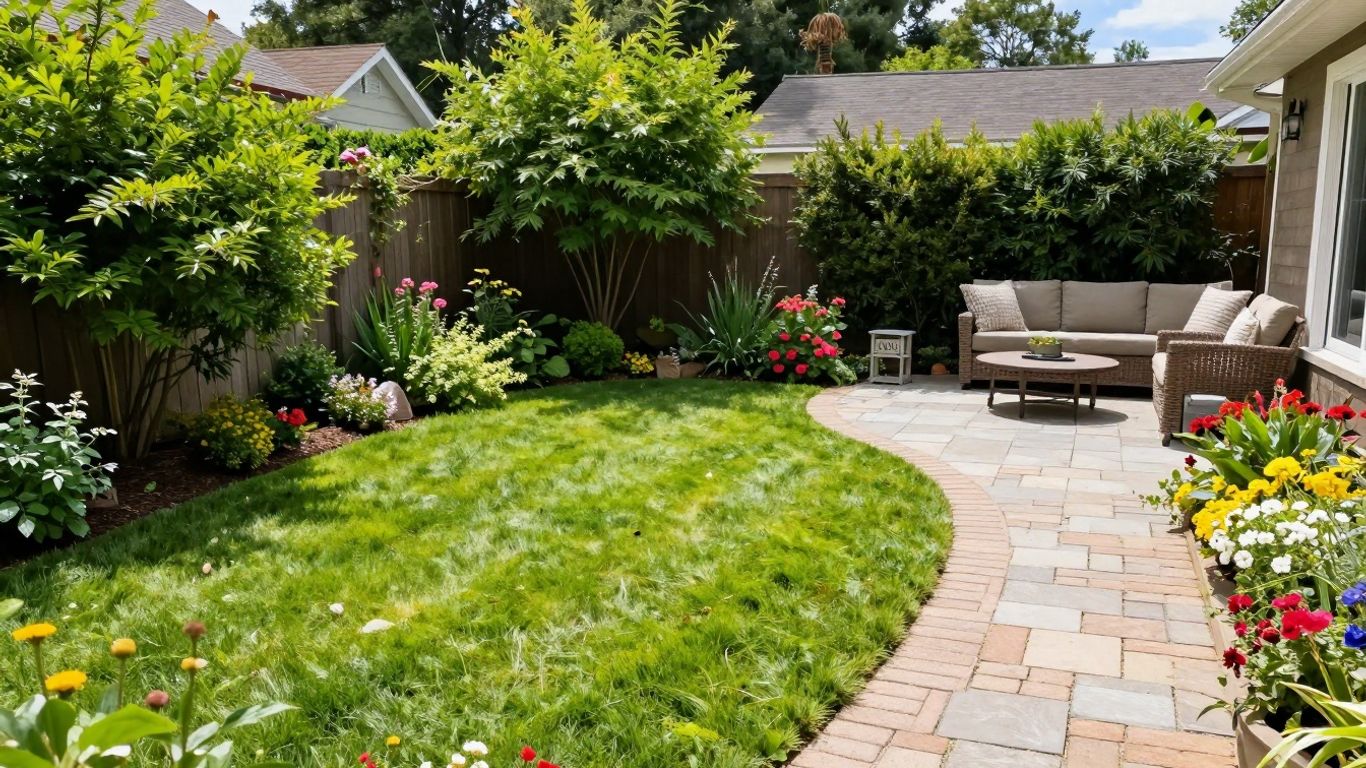
So, you’ve got the green thumb part down, or maybe you’re planning to get there. But what about the stuff that doesn’t grow? That’s where hardscaping comes in. Think of it as the bones of your landscape – the solid, non-living elements that give your yard structure, purpose, and a whole lot of style. It’s about making your outdoor space work for you, whether that means a place to entertain, a safe path to your door, or just a way to manage tricky slopes.
Creating Functional Patios and Walkways
Let’s talk about patios and walkways. These aren’t just fancy additions; they’re game-changers for how you use your yard. A well-designed patio can become your new favorite room, perfect for weekend barbecues or just a quiet morning coffee. Walkways do more than just get you from point A to point B; they guide visitors, add visual interest, and can even tie different parts of your yard together. When planning these, consider the materials. Pavers offer a lot of flexibility in color and pattern, while natural stone can give a more rustic feel. Concrete is a budget-friendly option, and you can even stamp it to mimic more expensive materials. It’s all about finding what fits your style and your budget.
Building Retaining Walls and Borders
Got a sloped yard? Or maybe you just want to add some definition to your garden beds? Retaining walls and borders are your best friends. Retaining walls are super important for preventing soil erosion and creating usable, level areas on hillsides. They can also add a really nice visual element, breaking up a large expanse of lawn or garden. Borders, on the other hand, are great for keeping mulch in place, defining pathways, and giving your flower beds a clean, finished look. You can go with natural stone for a classic look, wood for a warmer feel, or even concrete blocks for a more modern vibe. It really depends on the overall look you’re going for.
Adding Structure with Fences and Driveways
Fences and driveways are often the first things people see when they approach your home, so they play a big role in your property’s curb appeal. A fence isn’t just about keeping things in or out; it can add privacy, security, and a decorative touch. Whether you opt for a classic white picket fence, a sturdy wooden privacy fence, or a modern metal design, it contributes to the overall character of your home. And driveways? They need to be tough, of course, but that doesn’t mean they have to be boring. You can choose from asphalt, concrete, gravel, or even interlocking pavers to create a driveway that’s both durable and attractive. Thinking about these larger structures can really transform your outdoor space.
Hardscaping is all about adding durable, non-living features to your landscape. It’s the foundation that supports your garden’s beauty and makes your yard functional for everyday life. From a simple garden border to an elaborate patio, these elements define spaces and add lasting value.
Illuminating Your Landscape
The Role of Landscape Lighting
Think about your yard after the sun goes down. It can feel like a completely different, and often less inviting, space. That’s where landscape lighting comes in. It’s not just about making things visible; it’s about transforming your outdoor areas into functional and beautiful extensions of your home, even after dark. Proper lighting can highlight architectural features, accent beautiful plants, and guide guests safely along pathways. It adds a whole new dimension to your property, making it enjoyable for evening gatherings or simply a peaceful retreat.
Ambiance and Security Through Light
Landscape lighting does double duty. On one hand, it creates a specific mood or ambiance. Soft, warm lights can make a patio feel cozy for a dinner party, while strategically placed uplights on trees can create dramatic shadows and visual interest. On the other hand, well-lit pathways and entryways significantly boost security. It deters potential intruders and makes it safer for you and your family to move around the property at night. It’s a practical way to add both beauty and peace of mind.
Here are some common types of landscape lighting:
- Path Lights: Low-level lights that illuminate walkways and garden paths.
- Spotlights/Uplights: Used to highlight specific features like trees, sculptures, or architectural details.
- Deck/Patio Lights: Integrated lighting for outdoor living spaces, often providing ambient or task lighting.
- Well Lights: In-ground fixtures that can wash walls or trees with light from below.
- String Lights: Decorative lights often used for a festive or romantic atmosphere.
Choosing the right bulbs is key to achieving the desired effect. Consider the color temperature (warm vs. cool light) and the brightness (lumens) to match the mood and function you’re aiming for. For a deeper dive into bulb selection, resources on optimal LED bulbs can be incredibly helpful.
Professional Installation and Maintenance
While DIY lighting kits exist, professional installation makes a big difference. Landscape lighting systems involve wiring, transformers, and fixtures that need to be installed correctly and safely. Professionals can design a system that’s both aesthetically pleasing and functional, taking into account your property’s layout and your specific needs. They also understand local electrical codes and best practices. Beyond installation, regular maintenance is important. This can include cleaning fixtures, adjusting lights, replacing bulbs, and checking the system for any issues. Keeping your lights in good working order ensures they continue to provide both beauty and security for years to come.
The Importance of Professional Maintenance
Think of your landscape like a living thing – it needs regular attention to stay healthy and look its best. While you might be able to handle some basic tasks yourself, professional maintenance takes things to a whole new level. It’s not just about making things look pretty; it’s about the long-term health and vitality of your plants, the safety of your property, and keeping everything functioning as it should.
General Bed Care and Detailing
This is the nitty-gritty work that keeps your garden beds looking sharp. It involves:
- Weeding: Getting rid of unwanted plants that steal nutrients and water from your desired plants.
- Debris Removal: Clearing away fallen leaves, twigs, and other bits that can make beds look messy and harbor pests.
- Deadheading and Trimming: Removing spent flowers and trimming back overgrown ground cover to encourage new growth and a tidier appearance.
- Monitoring: Keeping an eye out for early signs of trouble, like browning leaves or weak branches, so issues can be addressed before they become major problems.
Regular attention to your garden beds prevents small issues from becoming big headaches, keeping your landscape looking polished and cared for all year round.
Seasonal Clean-Up Services
These are the bigger, more involved cleanings that happen a few times a year, usually in spring and fall. They go beyond basic bed care and include:
- Edging: Creating crisp, clean lines around your beds to give them a defined and professional look.
- Mulch Raking/Refreshing: Loosening compacted mulch and adding more if needed to help retain moisture, suppress weeds, and improve soil.
- Perennial Division: Separating overgrown perennial plants to give them more space to grow and to propagate new plants.
- Seasonal Trimming: Cutting back dead growth from perennials and ornamental grasses to prepare them for the next season.
Expert Pruning and Hedging
Proper pruning is an art and a science. Doing it at the right time of year for each specific plant is key to its health, flowering, and overall shape. Professionals know:
- When to prune: Different plants have different needs. Pruning at the wrong time can mean fewer blooms or even damage to the plant.
- How to prune: Techniques vary depending on the plant’s growth habit and your goals, whether it’s shaping, removing dead wood, or encouraging fruit production.
- Hedging: For plants meant to be shaped into formal hedges, precise cutting is needed to maintain those clean lines and dense growth.
This kind of specialized care helps plants thrive, bloom better, and maintain their intended form, contributing significantly to the overall appeal and structure of your landscape.
Plant Health and Protection
Keeping your plants looking their best isn’t just about watering and sunshine. It’s a whole system of care that involves feeding them right and keeping the bad stuff away. Think of it like looking after your own health – you need good nutrition and to avoid getting sick.
Ensuring Plant Vitality
Plants get their food from the soil, and some are real
Sustainable Landscaping Practices
Water Conservation Techniques
Let’s talk about saving water in your yard. It’s not just good for the planet; it can really cut down on your water bill too. One big way to do this is by choosing plants that don’t need a ton of water to begin with. Think about plants native to our area – they’re already adapted to the local climate and rainfall. Another trick is to group plants with similar watering needs together. This way, you’re not overwatering some while underwatering others. Smart irrigation systems, like drip lines or soaker hoses, deliver water right to the roots where it’s needed most, instead of spraying it all over the place where it just evaporates. And don’t forget about mulch! A good layer of mulch around your plants helps keep the soil moist and reduces weed growth, which also competes for water.
Utilizing Native Plants
Using plants that are native to your region is a smart move for a lot of reasons. These plants have evolved over thousands of years to thrive in your local soil and climate conditions. This means they generally require less watering, less fertilizing, and are more resistant to local pests and diseases. It’s like they’re already perfectly suited for the job! Plus, native plants are super important for local wildlife. Birds, bees, butterflies, and other critters rely on them for food and shelter. So, by choosing native species, you’re not only making your yard easier to care for, but you’re also creating a mini-ecosystem that supports biodiversity. It’s a win-win for your landscape and the local environment. You can often find great resources from local nurseries or conservation groups about the best native plants for your specific area.
Reducing Environmental Impact
Beyond just saving water and supporting local wildlife, sustainable landscaping is all about minimizing your yard’s overall footprint. This can involve using permeable materials for patios and walkways, like decomposed granite or certain types of pavers. These let rainwater soak into the ground instead of running off into storm drains, which helps prevent erosion and pollution. When it comes to soil health, using compost and organic matter is key. It improves soil structure, helps retain moisture, and reduces the need for chemical fertilizers. Even something as simple as reducing lawn size and opting for more ground cover or garden beds can make a difference. Less lawn means less mowing, which cuts down on emissions from lawn equipment. It’s about creating a landscape that works with nature, not against it.
Sustainable landscaping is about creating outdoor spaces that are not only beautiful and functional but also environmentally responsible. It’s a holistic approach that considers water use, plant selection, soil health, and the overall impact on local ecosystems. By adopting these practices, you contribute to a healthier planet while often reducing your own maintenance workload and costs in the long run.
The Landscaping Project Lifecycle
Embarking on a landscaping project might seem straightforward, but like any construction endeavor, it follows a structured path. Understanding these stages helps you know what to expect and how to work effectively with your landscaping team. It’s a process that moves from initial ideas to a finished, beautiful outdoor space, and then requires ongoing care.
The Design Phase: Planning Your Vision
This is where it all begins. Before any dirt is moved, a lot of thought goes into creating a plan. A designer or architect will meet with you to discuss your ideas, needs, and budget. They’ll look at your property, considering things like sunlight, drainage, and how you plan to use the space. The outcome is usually a detailed drawing, sometimes even a 3D model, showing exactly what the finished landscape will look like. This plan covers everything from where plants will go to the placement of patios, walkways, and lighting. It’s all about getting the vision down on paper so everyone’s on the same page.
The Construction Phase: Bringing Plans to Life
Once the design is approved, the real work starts. This is the physical building part. Crews will come in to do the heavy lifting: grading the land, installing hardscape elements like patios or retaining walls, and planting all the softscape materials – your trees, shrubs, and flowers. It’s a busy phase where different specialists might come in to handle specific jobs, like masonry for a stone wall or setting up irrigation systems. The goal here is to transform the raw site according to the approved design. It’s pretty amazing to see the plans start to take shape right before your eyes.
This phase requires careful coordination to ensure all the elements come together correctly, from the underground utilities to the final plant placement. It’s where the blueprint becomes a tangible reality.
The Maintenance Phase: Ongoing Care
Your beautiful new landscape doesn’t just take care of itself. After construction wraps up, the maintenance phase begins. This is the ongoing work needed to keep everything healthy and looking its best. It includes regular tasks like mowing the lawn, watering plants, weeding garden beds, and pruning trees and shrubs. Depending on your agreement, this could be handled by the same company that did the construction or a separate maintenance crew. Consistent care is key to protecting your investment and enjoying your outdoor space for years to come. It’s about keeping that initial vision vibrant and alive.
Here’s a quick look at what ongoing maintenance might involve:
- Lawn Care: Regular mowing, edging, and fertilization to keep grass healthy.
- Garden Bed Upkeep: Weeding, mulching, and deadheading flowers.
- Plant Health: Monitoring for pests and diseases, and appropriate pruning for trees and shrubs.
- Seasonal Clean-ups: Clearing leaves in the fall and tidying up after winter.
Getting professional help for these tasks can save you a lot of time and effort, and often leads to a healthier, more attractive landscape. Many homeowners find it beneficial to have a long-term maintenance contract in place.
Choosing the Right Landscaping Professionals
What to Look For in a Contractor
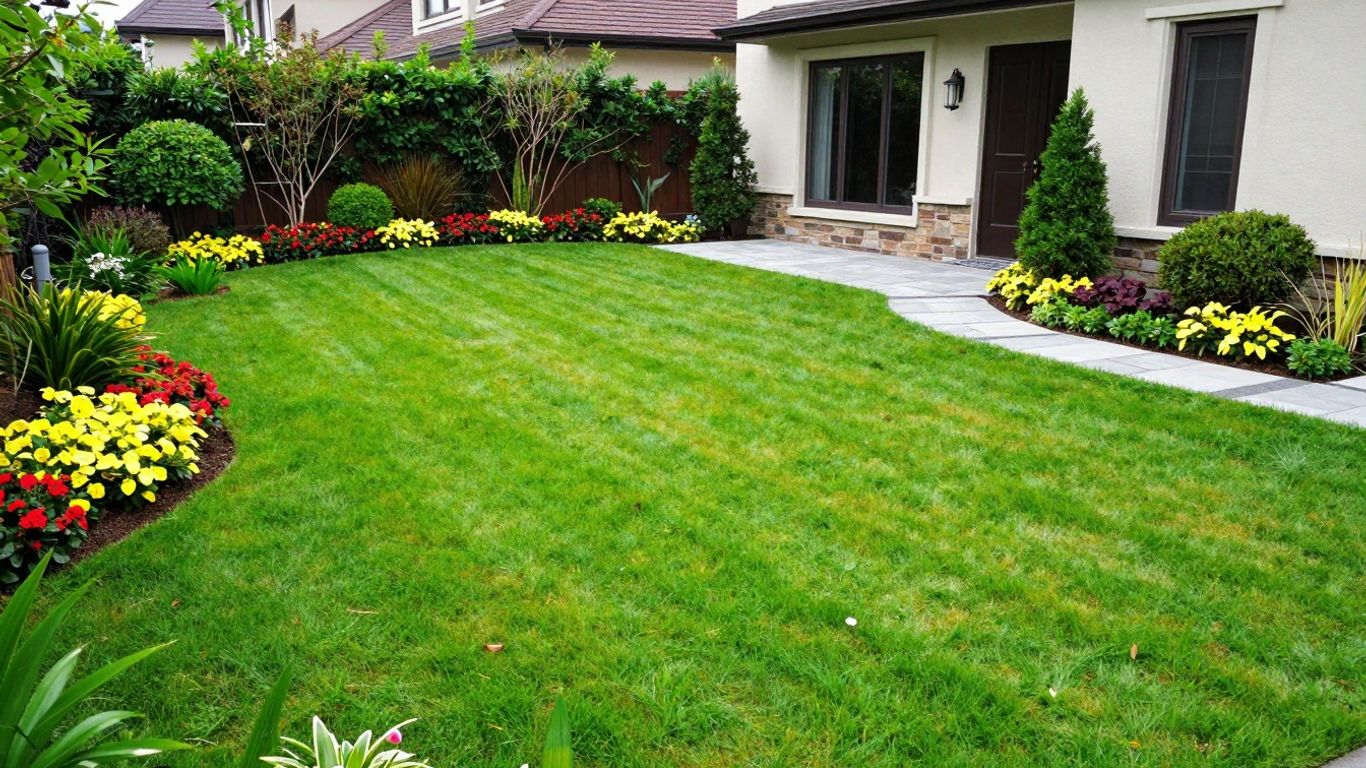
Finding the right person or team to handle your landscaping needs can feel like a big task. It’s not just about picking someone who can mow a lawn; it’s about finding someone who understands your vision and can bring it to life, whether that’s a simple garden refresh or a complete outdoor overhaul. When you’re looking around, there are a few key things to keep in mind. First off, check if they’re properly licensed and insured. This isn’t just paperwork; it means they’re serious about their business and have protections in place for both you and their workers. Ask how long they’ve been doing this kind of work. A company that’s been around for a while usually means they’ve got the experience to handle different situations and know what works. Don’t be shy about asking for references from past clients. Hearing about other people’s experiences can give you a good idea of what to expect.
Understanding Services Offered
Landscaping companies can do a lot more than just plant flowers. They often cover a wide range of services, from the basics to more involved projects. Think about what you actually need. Are you looking for regular lawn care, like mowing, trimming, and fertilizing? Or do you need help with bigger jobs like designing and building a new patio, installing an irrigation system, or even putting in retaining walls? Some companies specialize in certain areas, like hardscaping (patios, walkways, walls) or softscaping (plants, trees, lawns), while others offer a full package. It’s good to know what each service entails so you can pick a professional who has the right skills for your specific project. For example, someone great at planting might not be the best choice for building a complex stone patio.
The Value of Experience and References
When you’re interviewing potential landscapers, pay attention to their track record. A company with a solid history often means they’ve dealt with various challenges and have a good grasp of different landscape designs and maintenance needs. Asking for references is a smart move. It’s like getting a sneak peek into their past work. You can ask those references about the quality of the work, how well the project stayed on schedule and budget, and how easy the team was to communicate with. This kind of feedback is gold. It helps you gauge their reliability and the overall satisfaction of their previous clients. Remember, a well-maintained landscape can really boost your home’s appeal and even its value, so picking the right professionals makes a difference.
Choosing a landscaping professional isn’t just about aesthetics; it’s about finding a partner who can manage the living and structural elements of your property effectively. Their experience can translate into a healthier, more beautiful, and functional outdoor space for years to come.
Wrapping It Up
So, there you have it. Landscaping is more than just mowing the lawn; it’s about creating a functional and beautiful outdoor space that fits your life. Whether you’re looking to add some curb appeal with regular maintenance, create a whole new backyard oasis with design and installation, or just need help keeping your trees and shrubs healthy, there’s a service out there for you. Taking the time to understand what you need and finding the right professional can make a huge difference. It’s an investment that really pays off, making your home a more enjoyable place to be and, bonus, potentially increasing its value. Don’t be afraid to ask questions and find someone you trust to bring your outdoor vision to life.
Frequently Asked Questions
What exactly does ‘landscaping’ mean for my home?
Landscaping is all about making your outdoor areas look great and work well. It includes things like planting flowers and trees, taking care of your lawn, building patios or walkways, and even setting up outdoor lights. It’s basically making your yard a more beautiful and useful space.
What’s the difference between softscape and hardscape?
Think of softscape as the living parts of your yard – the grass, trees, flowers, and bushes. Hardscape is the non-living stuff, like patios made of stone or concrete, pathways, retaining walls, and fences. They work together to create a complete outdoor look.
Why should I hire someone to do my landscaping instead of doing it myself?
Hiring professionals saves you a lot of time and effort. They have the knowledge to keep your plants healthy, design beautiful spaces, and use the right tools for the job. Plus, good landscaping can actually make your home worth more money!
How often does my yard need maintenance?
It really depends on your yard, but most lawns and gardens benefit from regular check-ups, maybe every week or two. This includes things like mowing, weeding, and making sure plants are healthy. Seasonal clean-ups in spring and fall are also important.
What kind of services can a landscaper offer?
Landscapers do a lot! They can design your yard, plant new things, mow your lawn, trim trees and bushes, build patios and walkways, install lighting, and help keep your plants free from pests and diseases.
Can landscaping help the environment?
Yes, it absolutely can! Using native plants that don’t need much water, setting up smart watering systems, and planting trees all help conserve water, improve air quality, and support local wildlife. It’s about making your yard eco-friendly.
What should I look for when hiring a landscaping company?
Make sure they are insured and licensed. Ask how long they’ve been in business and if they can give you references from other customers. It’s also good to get a clear written contract that explains all the services and costs involved.
What is landscape lighting, and why is it important?
Landscape lighting is about adding lights to your yard to make it look nice and be safer at night. It can highlight pathways, gardens, or special features. Good lighting adds a great atmosphere and can also help deter unwanted visitors.
