
Thinking about your yard and wondering what’s what? You’ve probably heard terms like ‘landscaping’ and ‘lawn care’ tossed around, and maybe they sound like the same thing. But they’re actually pretty different, and understanding those differences can help you figure out what your outdoor space really needs. We’re going to break down the landscaping vs lawn care differences so you can get a clearer picture.
Key Takeaways
- Landscaping is about the overall design and structure of your outdoor space, including plants, patios, and walkways.
- Lawn care focuses specifically on maintaining the health and appearance of your grass.
- Softscaping refers to the living elements like plants and grass, while hardscaping involves non-living elements like patios and walls.
- Professional landscaping services can improve your property’s value and functionality, while lawn care ensures a healthy, attractive green space.
- Both landscaping and lawn care involve regular maintenance, but landscaping is broader, encompassing design and construction elements.
Understanding The Core Differences: Landscaping vs Lawn Care
Defining Landscaping: More Than Just Pretty Plants
When people hear "landscaping," they often picture colorful flowers or a perfectly green lawn. And sure, that’s part of it. But landscaping is really about shaping your entire outdoor space. It’s a mix of art and science, focusing on how to make your yard look good and work well for you. This can involve everything from planting trees and shrubs to building patios and walkways. Think of it as the overall plan for your property’s exterior, connecting your house to the natural surroundings.
It’s about more than just making things look nice; it’s about creating an outdoor living area that fits your lifestyle. A well-designed landscape can make your home more functional, improve its value, and even help with things like drainage or shade. It’s about transforming your yard into a space that’s both beautiful and useful.
Defining Lawn Care: The Foundation Of A Healthy Yard
Lawn care is a bit more specific. It’s all about keeping your grass healthy, thick, and green. Your lawn is often the first thing people see, so taking care of it is pretty important for your home’s overall look. Professional lawn care goes beyond just mowing.
It involves a system of services designed to make sure your grass thrives. This includes:
- Mowing: Cutting the grass at the right height for its type.
- Fertilization: Giving your grass the nutrients it needs to grow strong.
- Weed and Pest Control: Keeping unwanted plants and bugs from damaging your lawn.
- Aeration: Loosening compacted soil so air, water, and nutrients can reach the roots.
- Seeding/Sodding: Filling in bare spots or starting a new lawn.
Getting these basics right means your lawn looks great and can even help prevent soil erosion. It’s the foundation for a good-looking yard.
The Interplay Between Softscape and Hardscape
When we talk about landscaping, it’s helpful to think about two main parts: softscape and hardscape. They work together to create a yard that’s both attractive and functional.
- Softscaping: This is all about the living things in your yard. Think grass, flowers, trees, shrubs, and ground cover. It’s the part that grows, changes with the seasons, and brings color and life to your outdoor space.
- Hardscaping: This refers to the structural elements. It includes things like patios, walkways, driveways, retaining walls, fences, and decks. These are the non-living parts that provide shape, function, and durability to your yard.
Getting the balance right between these two is key to a successful outdoor space. One provides the living beauty, while the other offers structure and usability. Together, they create a complete and inviting environment.
Landscaping: Crafting Your Outdoor Vision
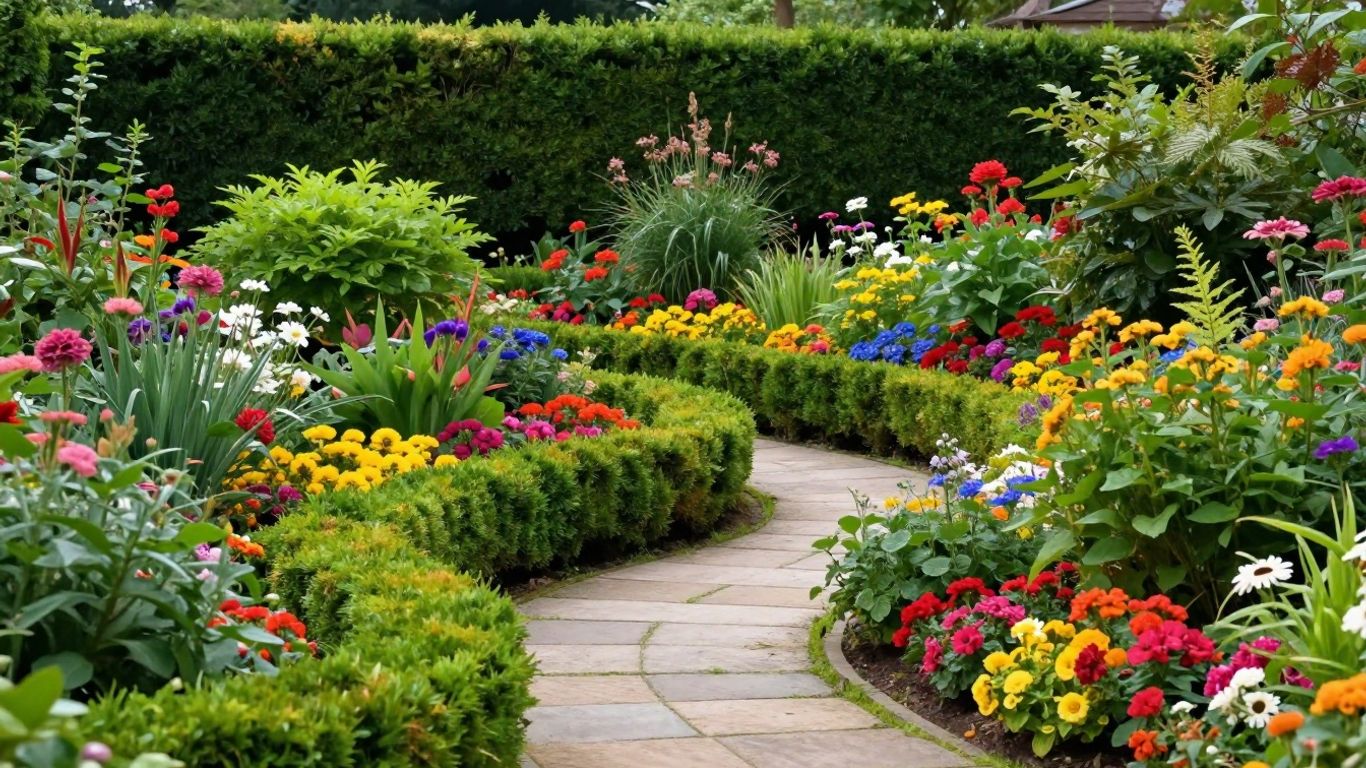
Landscaping is more than just planting a few flowers or mowing the lawn. It’s the art and science of shaping your outdoor space to be both beautiful and functional. Think of it as designing an extension of your home, a place where you can relax, entertain, and enjoy the outdoors. It involves a mix of creativity and practical knowledge to transform your yard into something special.
The Art and Science of Shaping Outdoor Spaces
Creating a great landscape is a blend of artistic vision and practical know-how. It’s about understanding how plants grow, how water flows, and how different elements work together. A good design considers the shapes of things – the curves of a path, the silhouette of a tree, the form of a patio. It also looks at how colors and textures play off each other throughout the seasons. The goal is to create a space that not only looks good but also feels right and works well for you.
Designing Functional and Attractive Outdoor Living Areas
Your yard should be a place you want to spend time in. Landscaping can turn it into a true outdoor living area. This means creating different zones for different activities. Maybe you want a quiet corner for reading, a spot for the kids to play, or a patio perfect for summer barbecues. Good design makes it easy to move between these areas and ensures they fit your lifestyle. It’s about making your yard work for you, whether you’re relaxing alone or hosting a party.
Enhancing Property Value and Livability
A well-landscaped property does more than just look nice; it can actually increase your home’s value and make it a more enjoyable place to live. Think about how a beautiful garden or a well-built patio can make a house more appealing. It can also solve practical problems, like improving drainage or providing shade. It’s an investment that pays off in both enjoyment and financial return. A thoughtful landscape shows you care about your property, which is always a good thing.
Lawn Care: Nurturing Your Green Space
Defining Lawn Care: The Foundation Of A Healthy Yard
Your lawn is often the first thing people notice about your home. Keeping it looking good is a big deal, and professional lawn care goes way beyond just mowing. It’s a whole system to make sure your grass is thick, green, and healthy. Think of it as the foundation for a great-looking yard.
The Importance of Regular Mowing and Maintenance
Mowing sounds simple, but doing it right makes a huge difference in how your grass looks and stays healthy. It’s not just about cutting; it’s about how you cut.
- Sharp Blades: Dull mower blades tear grass, making it weak and prone to disease. Always use sharp blades for a clean cut that heals fast.
- Right Height: Cutting your grass too short stresses it out. Keeping it a bit longer encourages thicker growth and deeper roots, which helps crowd out weeds. For most grass types, aim to cut no more than one-third of the blade at a time.
- Mower Type: Choose a mower that fits your yard size. A reel mower is good for small spaces, a self-propelled one for medium yards, and a riding mower for larger areas. Make sure it has adjustable cutting heights.
Addressing Specific Lawn Health Challenges
Sometimes, your lawn needs a little extra help. Over time, soil can get packed down, making it hard for water and nutrients to reach the roots. This is where a few key practices come in:
- Aeration: This process pulls out small plugs of soil, creating holes that let air, water, and nutrients penetrate better. Doing this once a year, usually in spring or fall, helps your lawn breathe and absorb what it needs.
- Soil Testing: Your soil might be missing key nutrients or have the wrong pH level. A simple soil test can tell you if you need more nitrogen, phosphorus, or potassium, or if you need to adjust the acidity. This way, you’re not just guessing with fertilizers; you’re giving your lawn exactly what it needs.
- Watering Wisely: Watering too much or too little can harm your lawn. Water deeply but less often to encourage deep root growth. Watering early in the morning is best to reduce evaporation. Consider drip irrigation for garden beds, as it delivers water directly to the roots. Water conservation is key for a healthy landscape.
Taking care of these details means your lawn not only looks great but also stays healthy and resilient, handling stress from weather and foot traffic much better.
Key Components Of Landscaping
When we talk about landscaping, it’s really about two main parts working together: the living stuff and the built stuff. Think of it like the ingredients and the structure of a meal. One brings the flavor and life, the other provides the form and function. Getting this balance right is what makes a yard feel complete and look great.
Softscaping: The Living Elements
Softscaping is all about the plants and living things in your yard. This includes your lawn, flower beds, trees, shrubs, and any ground cover. It’s the part that grows, changes with the seasons, and brings color, texture, and life to your outdoor space. Choosing the right plants is a big deal here. You want things that will do well in your local climate and soil, and that fit the overall look you’re going for. It’s not just about sticking plants in the ground; it’s about arranging them so they look good together and create a certain feel. This could mean a lush green lawn, a vibrant flower bed bursting with color, or a shady grove of trees providing a cool retreat.
Hardscaping: The Structural Elements
Hardscaping refers to the non-living, structural parts of your landscape. This is the stuff that provides shape, function, and durability. Think patios, walkways, driveways, retaining walls, fences, decks, pergolas, and even outdoor kitchens. These elements define spaces, create pathways, and add a sense of permanence and order to your yard. They’re the backbone of your landscape design, offering places to sit, walk, and entertain. Hardscaping is about building features that are both practical and visually appealing, turning your yard into a usable outdoor living area.
Balancing Softscape and Hardscape for a Complete Look
Getting the mix right between softscape and hardscape is where the magic happens. A yard that’s all hardscape can feel cold and uninviting, while a yard with only softscape might lack structure and definition. The goal is to create a harmonious blend. For example, a stone patio (hardscape) surrounded by colorful flower beds and lush green grass (softscape) creates a beautiful and functional outdoor room. Walkways (hardscape) can lead you through garden areas (softscape), inviting exploration. The right balance makes your yard feel complete, offering both visual interest and practical usability. It’s about creating a space that feels natural, looks intentional, and works for your lifestyle. Thinking about landscape design principles can help you achieve this balance effectively.
Essential Lawn Care Practices
Keeping your lawn looking its best is more than just a weekend chore; it’s about nurturing a healthy ecosystem right in your backyard. Proper lawn care involves a series of practices that, when done consistently, lead to a lush, green, and resilient yard. It’s the foundation for a beautiful outdoor space, and getting it right means less work and more enjoyment down the line.
Mowing Techniques for Optimal Grass Health
Mowing might seem straightforward, but how you cut your grass significantly impacts its health and appearance. It’s not just about making it shorter; it’s about making the right cuts.
- Blade Sharpness is Key: Dull mower blades tear grass, leaving ragged edges that are prone to disease and turn brown. Always ensure your mower blades are sharp. Aim to sharpen them at least once a season, or more if you mow frequently or hit obstacles.
- The Right Height Matters: Different grass types have different ideal mowing heights. Cutting too short stresses the grass, making it vulnerable to weeds and drought. Cutting too high can lead to weak growth and disease. Generally, it’s better to mow more frequently, removing no more than one-third of the grass blade at a time.
- Vary Your Mowing Pattern: Mowing in the same direction every time can cause the grass blades to lean and compact the soil. Alternating your mowing pattern each time helps the grass grow upright and can prevent ruts from forming.
A well-maintained lawn is a sign of a well-cared-for property. It’s the first impression you give, and it sets the stage for the rest of your landscaping.
Fertilization and Weed Control Strategies
Feeding your lawn and keeping unwanted plants in check are vital for a thick, healthy turf. This isn’t about a quick fix; it’s about building long-term health.
- Soil Testing: Before you fertilize, understand what your soil needs. A simple soil test can reveal nutrient deficiencies and pH imbalances. This allows you to choose the right fertilizer and apply it effectively, avoiding over-fertilization which can harm the lawn and the environment.
- Targeted Weed Control: Instead of broad-spectrum herbicides, consider targeted treatments. Identify the types of weeds you have and use products specifically designed to combat them. Applying treatments at the right time of year, often when weeds are actively growing, yields the best results.
- Timing is Everything: Fertilization schedules vary based on grass type and climate. Typically, feeding your lawn in the spring and fall provides the nutrients it needs for growth and recovery. Avoid fertilizing during extreme heat or drought, as this can stress the grass.
Aeration and Overseeding for Density
Over time, soil can become compacted, making it hard for water, air, and nutrients to reach the grass roots. Aeration and overseeding are two practices that combat this, leading to a denser, healthier lawn.
- Aeration: This process involves removing small plugs of soil from your lawn. This relieves compaction, allowing essential elements to penetrate the root zone. It’s usually done once a year, typically in the spring or fall, depending on your grass type.
- Overseeding: After aeration, the small holes created are perfect for new grass seed. Overseeding fills in thin or bare spots, increasing the density of your lawn. This makes it more resistant to weeds and wear and tear. It’s a great way to rejuvenate an older lawn or establish a thicker turf.
- Proper Watering Post-Treatment: After aeration and overseeding, consistent watering is crucial. Keep the newly seeded areas moist until the seeds germinate and the new grass is established. This helps the seeds take root and ensures the success of the treatment. For more on creating a resilient outdoor space, consider looking into sustainable landscaping practices.
Beyond Aesthetics: Functionality In Landscaping
Landscaping is way more than just making your yard look pretty. It’s about making your outdoor space work for you, fitting into your life and making things easier. Think about how you actually use your yard. Do you like to entertain outside? Do the kids need a safe place to play? Or maybe you just want a quiet corner to relax with a book. Good landscaping designs these areas so they’re not just there, but they’re useful.
Designing Practical Outdoor Spaces for Your Lifestyle
When you’re planning your landscape, consider what activities you want to do outdoors. This helps decide where to put things. For example, if you love grilling, a patio near the kitchen makes sense. If you have young children, a soft, grassy area away from busy paths is a good idea. It’s about creating zones for different uses.
- Entertainment Hubs: Patios, decks, or even a designated spot for a fire pit can become the go-to place for gatherings.
- Relaxation Retreats: A quiet bench under a tree or a small, private garden nook can offer a peaceful escape.
- Play Areas: Safe, open spaces for kids or pets to run around are important for family-friendly yards.
Creating Flow and Access Within Your Yard
How you move around your yard is a big part of how functional it is. Paths should be easy to follow and connect different areas logically. You don’t want to feel like you’re bushwhacking just to get from your back door to the garden shed. Clear pathways make the whole space feel more open and accessible.
- Direct Routes: Connect key areas like the house, patio, and garden shed with clear walkways.
- Gentle Curves: Winding paths can add visual interest and make a journey through the yard feel more engaging.
- Safe Steps: Ensure any changes in elevation are handled with sturdy, well-placed steps or ramps.
The best landscapes feel natural to move through, guiding you from one area to another without a second thought. It’s about making the journey as pleasant as the destination.
Incorporating Comfort and Shelter
Making your outdoor space comfortable means thinking about things like shade and seating. A sunny patio can be too hot in the summer, but adding a pergola or planting a shade tree can make it usable. Comfortable seating arrangements also invite people to stay and enjoy the space. Think about where you’ll want to sit to enjoy the evening breeze or watch the sunset. These details make a big difference in how much you actually use and enjoy your yard. Consider adding features like garden elements that provide both beauty and a place to rest.
Tree and Shrub Vitality
Trees and shrubs are the backbone of many landscapes, adding structure, shade, and seasonal interest. Keeping them healthy and looking their best is a key part of overall yard care. It’s not just about making them look pretty; it’s about their long-term health and contribution to your outdoor space.
Pruning for Health and Shape
Pruning is more than just trimming branches. It’s about shaping the plant, removing any dead or diseased parts, and encouraging better growth. Think of it like giving your plants a haircut that helps them stay strong and look good. Regular pruning can prevent problems down the road and make sure your trees and shrubs grow the way you want them to.
Fertilizing and Pest Management
Just like any living thing, trees and shrubs need the right nutrients to grow well. Fertilizing provides them with the food they need, especially if your soil is lacking. At the same time, keeping an eye out for pests and diseases is important. Catching these issues early can save your plants from serious damage. It’s a bit like giving them a check-up and a healthy meal.
Ensuring Long-Term Plant Health
Taking care of your trees and shrubs is an ongoing process. It involves understanding their specific needs, like how much water they require and what kind of soil they prefer. By paying attention to these details, you help them live longer, healthier lives. This not only makes your yard look better but also supports the local environment. For example, choosing plants suited to your climate can reduce the need for extra watering and treatments, making your yard more sustainable. You can find more information on sustainable landscaping practices that benefit your trees and shrubs.
Proper care for trees and shrubs contributes significantly to the overall health and aesthetic appeal of your landscape, ensuring they remain vibrant assets for years to come.
Garden Design and Cultivation
Planning Beautiful and Functional Plantings
When you think about gardens, it’s easy to get lost in just the pretty flowers. But a truly great garden is more than just a splash of color. It’s about creating a space that works for you and looks good all year. This means thinking ahead about what you want your garden to do. Do you want a quiet spot to relax, a place for kids to play, or maybe a kitchen garden for fresh herbs and veggies? Your vision is the starting point. It’s like sketching out a plan before you start building. Consider the overall feeling you want – maybe something formal and neat, or perhaps more wild and natural. The way you arrange things, like the lines of your garden beds or the placement of a bench, really sets the tone for how the space feels and how you move through it.
Selecting the Right Plants for Your Environment
Picking plants isn’t just about grabbing what looks nice at the store. It’s about choosing things that will actually do well where you live. This means looking at your local weather, how much sun your yard gets, and what your soil is like. Using plants that are native to your area or are known to be tough and adaptable is a smart move. They usually need less water, fewer fertilizers, and are less likely to get sick. This saves you time and money, and it’s also better for local wildlife. For example, native plants are already used to your climate, so they often need less fussing and fewer resources overall. They can also provide food and shelter for local birds and pollinators, which is a nice bonus.
Here’s a quick look at why choosing the right plants matters:
- Lower Water Use: Plants suited to your climate naturally need less watering.
- Less Maintenance: They’re less likely to struggle with pests or diseases, meaning fewer treatments.
- Supports Local Ecosystems: Native plants help local birds, bees, and other critters.
Ongoing Garden Maintenance
Once your garden is planted, the work isn’t over. Keeping it looking good and healthy means regular attention. This includes things like watering, especially when plants are new or during dry spells. Weeding is a constant job, but it’s important to keep those unwanted plants from taking over. Deadheading, which means removing spent flowers, not only makes your garden look tidier but can also encourage more blooms. Seasonal tasks, like tidying up in the fall or preparing beds for spring, are also part of the routine. It’s this ongoing care that keeps your garden vibrant and enjoyable throughout the year. For more on simple choices that keep your garden strong, read about ways to use drought-tolerant species and thoughtful grouping to create a resilient, low-maintenance garden.
Taking care of the living parts of your landscape, like lawns, trees, shrubs, and gardens, is key to a beautiful and healthy property. It’s an ongoing process that requires knowledge about different plants and their needs.
Sustainable Practices In Landscaping
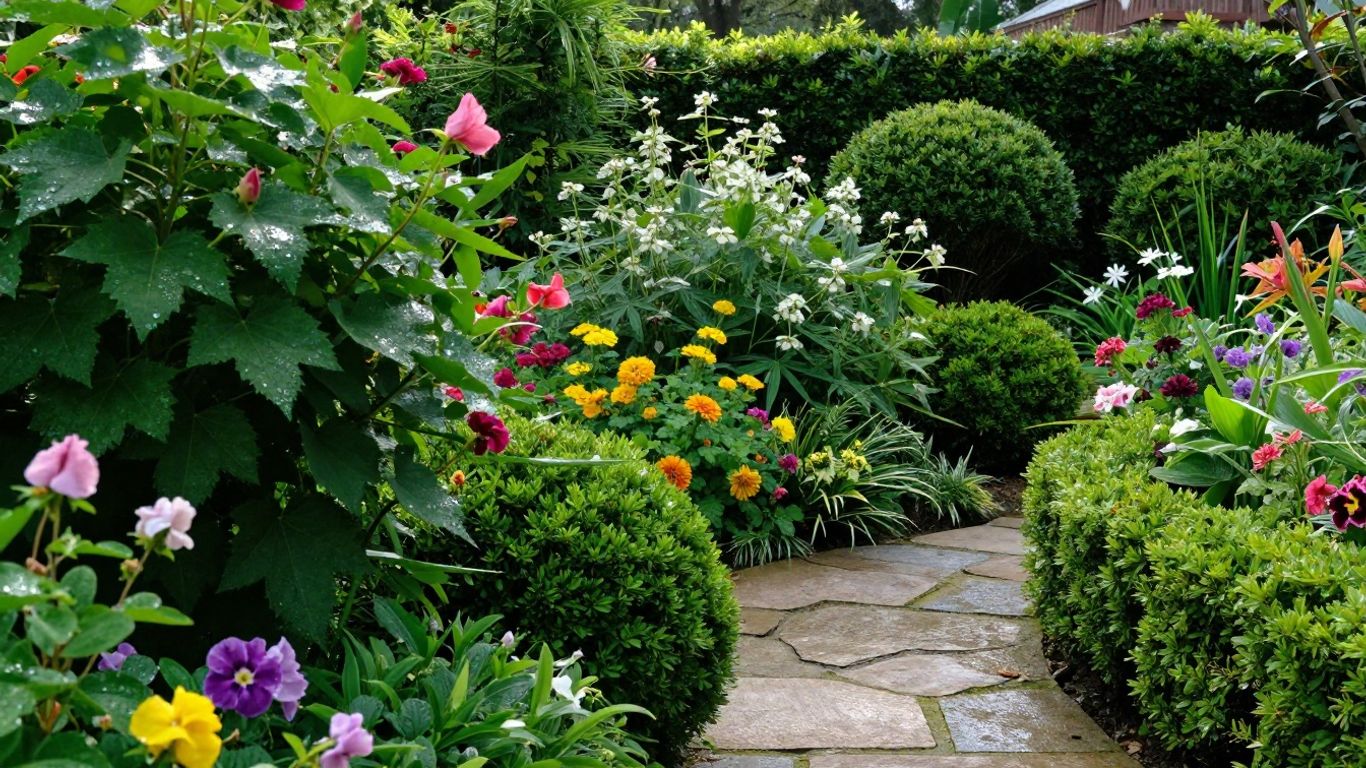
Making your outdoor space work for the environment isn’t just a new trend—it’s a habit that’s here to stay. If you’re staring at your garden thinking, “How can I actually make this place better for the world?”, you’re not alone. Let’s look at realistic ways to green up your yard, save water, and maybe even spot a few more butterflies come spring.
Choosing Native and Drought-Resistant Plants
Picking the right plants is more than just grabbing what looks nice at the garden center. It’s about understanding what grows best right here, in our specific climate and soil conditions. Using plants that are native to our region or are known to be tough and adaptable means they’ll need less water, fewer fertilizers, and are less likely to get sick. This not only saves you time and money but also supports local wildlife. Think about it: a plant that’s struggling because it’s in the wrong spot is just going to be a constant headache.
Here’s a quick comparison so you can see the difference:
| Plant Type | Water Needs | Maintenance Level | Wildlife Support |
|---|---|---|---|
| Native | Low | Low | High |
| Drought-Resistant Exotic | Low | Medium | Medium |
| Traditional Non-Native | High | High | Low |
When you choose native plants, you’re doing more than just beautifying your yard; you’re actively contributing to the health of your local environment. These plants are the foundation of the food web for many creatures. It’s like building a neighborhood restaurant and hotel specifically for the local wildlife. By planting a diverse range of native species, you help boost biodiversity, making your garden a small but important sanctuary. This interconnectedness is what makes a landscape truly thrive, creating a vibrant and balanced ecosystem right outside your door. It’s a powerful way to make a positive impact, one plant at a time. For more on simple choices that keep your garden strong, read about ways to use drought-tolerant species and thoughtful grouping at create a resilient, low-maintenance garden.
Eco-Friendly Hardscaping Materials
Not every part of your yard has to be green. Walkways, patios, and even driveways can be made with eco-minded materials. Turns out, the materials we choose can make a big difference for the planet, and sometimes, for our wallets too.
Using materials that have already lived a life is a smart move. Think old concrete chunks repurposed for a rustic wall, or glass bottles turned into decorative edging. It cuts down on the need to make new stuff, which uses a lot of energy and resources. Plus, it gives your yard a unique character that you just can’t buy off the shelf. It’s like giving old things a cool new job.
There’s a lot to be said for what nature provides. Materials like adobe, terra cotta, or locally sourced stone are great options. They often require less processing than manufactured materials, meaning a smaller carbon footprint. Using stone found nearby, for instance, avoids the energy needed to transport it long distances. It feels good to build with things that are part of the local landscape.
This is a big one for managing water. Traditional driveways and paths made of solid concrete or asphalt send rainwater rushing off into storm drains, which can cause flooding and pollution. Permeable pavers, gravel, or porous concrete let water soak into the ground. This helps recharge groundwater and reduces strain on drainage systems. It’s a simple change that has a significant positive impact on water management in your yard.
Making conscious choices about your landscaping materials isn’t just about aesthetics; it’s about building a more resilient and earth-friendly outdoor space. From recycled bricks to paving that lets water through, every decision counts towards a healthier environment and a more sustainable home.
Water Conservation and Smart Irrigation
Water is a precious resource, and how we use it in our yards makes a big difference. Being smart about watering isn’t just good for the planet; it can really cut down on your water bill too. Let’s look at some ways to water more efficiently.
Xeriscaping is basically designing your landscape to need very little water. It’s all about picking plants that naturally do well in dry conditions, like many native plants, succulents, and ornamental grasses. You also group plants with similar water needs together. This means less guesswork and less wasted water.
Here are a few ways to conserve water:
- Install drip irrigation: Less water wasted and your plants get what they need right at the roots.
- Collect rainwater: Use a rain barrel. It’s literally free water falling from the sky, and plants tend to love it.
- Water early in the morning: This keeps moisture from evaporating in the afternoon heat.
Smart irrigation systems, like drip lines or timers, deliver water directly to the plant roots, minimizing evaporation. Grouping plants with similar water needs together also helps prevent over or under-watering. It’s neat to see what the pros do and borrow ideas from places like Dash Landscaping to promote eco-friendly lawns and gardens.
The Benefits Of Professional Services
When you decide to invest in your property’s outdoor spaces, whether it’s your home or your business, bringing in the pros can make a world of difference. It’s not just about having a nice-looking yard; it’s about getting expert care, saving yourself time, and making a smart investment that pays off in the long run.
Increased Curb Appeal and Property Value
Let’s face it, the first impression matters. A well-maintained landscape instantly makes your property look more inviting and cared for. This boost in curb appeal doesn’t just look good; it can actually increase your property’s market value. Studies show that homes with professional landscaping often sell faster and for a higher price. It’s a tangible asset that buyers notice and appreciate.
- Stands out from the crowd: A beautiful yard grabs attention and makes your property memorable.
- Signals quality: It suggests that the property, and by extension what’s inside, is well-maintained.
- Attracts buyers: A welcoming exterior draws potential buyers in and makes them more curious.
Saving Time and Effort
We all have busy lives, and spending hours on yard work might not be your idea of a good time. Hiring professionals means you can skip the back-breaking labor and the constant worry about whether you’re doing things right. They handle the mowing, trimming, fertilizing, and all the other tasks that keep your landscape looking its best. This frees up your weekends and evenings so you can actually relax and enjoy your outdoor space instead of working in it.
Entrusting your landscape to experts means you get professional results without sacrificing your personal time. It’s a win-win for a beautiful property and a more relaxed lifestyle.
Expertise for a Healthier Outdoor Space
Professional landscapers and lawn care specialists have the knowledge and experience to keep your plants, grass, and trees healthy. They understand soil types, plant needs, pest control, and the best ways to manage your specific climate. This means your lawn will be greener, your garden will bloom brighter, and your trees will be stronger. They use the right tools and techniques, often with eco-friendly products, to create a sustainable and thriving outdoor environment. This professional touch prevents costly problems down the road and ensures your landscape remains beautiful year after year. For a consistently healthy yard, consider professional lawn care services.
Here’s a quick look at what professional care can do:
- Tailored Plans: Services are customized to your property’s unique needs.
- Problem Solving: Experts identify and treat issues before they become major problems.
- Sustainable Practices: They often use methods that are better for the environment.
Bringing It All Together
So, as we’ve seen, landscaping and lawn care are definitely related, but they’re not quite the same thing. Think of lawn care as a really important part of the bigger picture – it’s all about keeping that green carpet looking its best. Landscaping, on the other hand, is the whole shebang. It’s the design, the planting, the patios, the paths, and yes, the lawn too. Whether you’re looking to just keep your grass in check or completely transform your outdoor space, understanding these differences helps you figure out what kind of help you really need. Both play a role in making your home look great and feel like a place you love to be.
Frequently Asked Questions
What’s the main difference between landscaping and lawn care?
Think of landscaping as the big picture, like designing and building your whole outdoor space. Lawn care is more about taking care of just the grass part of that space, making sure it’s healthy and looks good.
Is landscaping just about planting flowers?
Nope! Landscaping includes everything from planting flowers and trees (that’s called softscape) to building patios, walkways, and walls (that’s hardscape). It’s about making your whole yard look great and work for you.
What does ‘softscape’ mean in landscaping?
Softscape refers to all the living things in your yard, like your lawn, flower beds, trees, shrubs, and any ground cover. It’s the green, growing part of your landscape.
What is ‘hardscape’?
Hardscape is the non-living stuff that gives your yard structure. This includes things like patios, walkways, driveways, fences, decks, and retaining walls.
Why is regular mowing important for lawn health?
Mowing correctly, especially with sharp blades, helps grass grow thick and healthy. It prevents weeds from taking over and makes your lawn look neat. It’s like giving your grass a good haircut!
What are some common lawn care services?
Common services include regular mowing, fertilizing to feed the grass, weed control to get rid of unwanted plants, aeration to help soil breathe, and overseeding to make the lawn thicker.
How can landscaping improve my home’s value?
A well-designed and maintained landscape makes your home look more attractive from the street (curb appeal). It can also add functional outdoor living spaces, like a patio for relaxing or entertaining, which buyers often look for.
What are some eco-friendly landscaping tips?
You can use native plants that don’t need much water, choose sustainable materials for patios and walkways, collect rainwater, and use natural mulches. These practices help save water and support the local environment.
