
Keeping your yard looking good all year round can feel like a lot. You might wonder, ‘how often should landscaping be done?’ It’s not really a set-it-and-forget-it kind of deal. Your yard has different needs depending on the weather, from the heat of summer to the chill of winter. Paying attention to these seasonal changes helps keep everything healthy and looking its best, without you having to guess what to do next.
Key Takeaways
- Landscaping isn’t a one-off job; it needs regular attention throughout the year.
- Each season brings specific tasks, like spring clean-up, summer watering, fall mulching, and winter protection.
- Consistent care helps your landscape stay healthy, look good, and can prevent bigger problems later.
- Weekly lawn care includes mowing and checking for weeds or pests, while monthly tasks involve deeper checks and treatments.
- Adjusting your landscaping efforts based on the season and your local climate is key to success.
Understanding Your Landscape’s Seasonal Needs
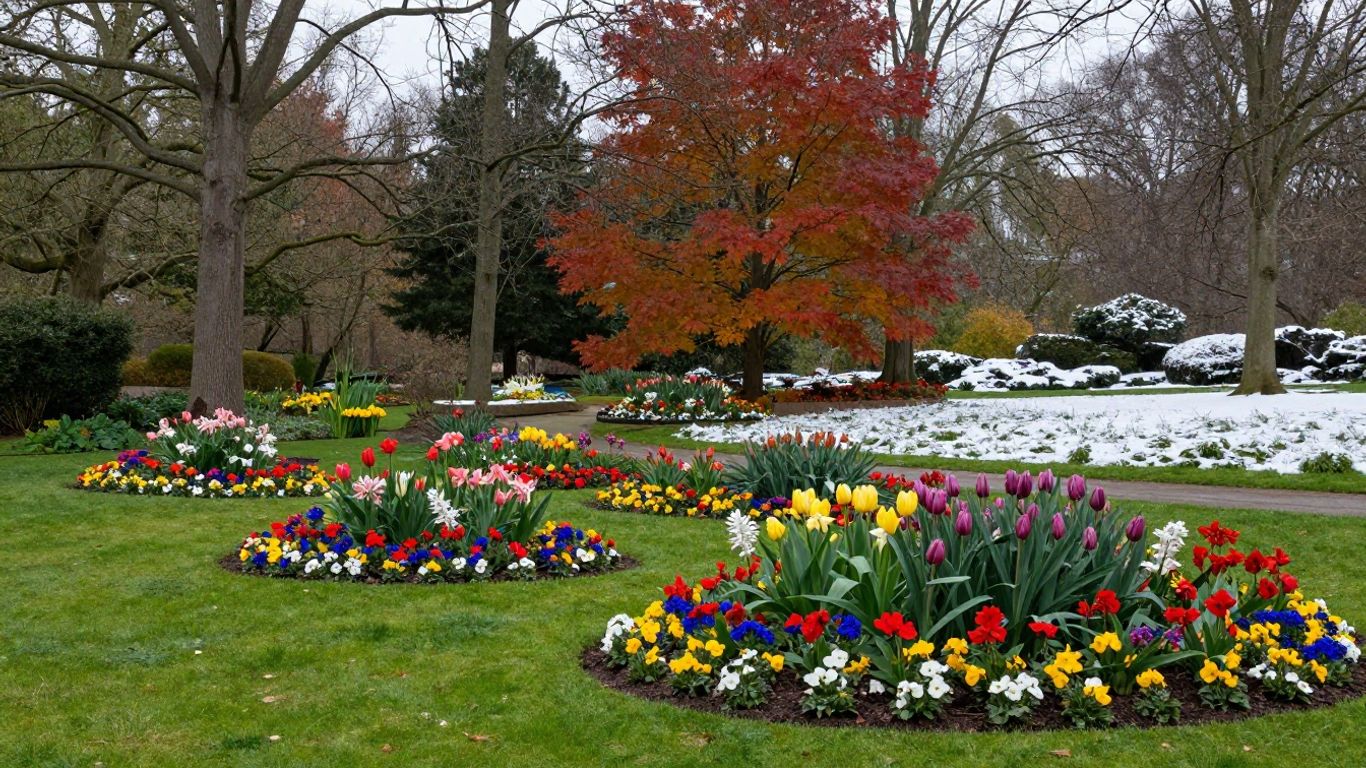
Why Seasonal Landscaping Is Crucial
Think of your yard like a living thing – it changes a lot throughout the year. What works for it in the heat of summer won’t be what it needs in the cold of winter. Paying attention to these seasonal shifts isn’t just about keeping things looking nice; it’s about helping your plants, lawn, and trees stay healthy and strong.
Ignoring these needs can lead to problems down the road. Plants might struggle, the lawn could get patchy, and you might even end up with damage that costs a lot to fix. It’s like not changing your car’s oil – eventually, something’s going to break.
Adapting to Nature’s Rhythms
Every season brings its own set of challenges and opportunities for your landscape. Spring is all about waking up and getting ready to grow, summer is about staying hydrated and protected, fall is for winding down and preparing for rest, and winter is for protection and planning.
Understanding what your landscape needs at each stage helps you work with nature, not against it. This means knowing when to prune, when to water more, when to add mulch, and when to protect delicate plants from frost.
The Benefits of Consistent Care
Keeping up with your landscape throughout the year offers a lot of good things. For starters, it makes your property look much better, which is always a plus. But it goes deeper than that.
Consistent care helps prevent problems before they start. It means fewer pests, healthier plants that can fight off diseases, and a lawn that’s thick and green. Plus, when you take care of things regularly, you often save money in the long run by avoiding major repairs or replacements.
Here’s a quick look at what each season generally calls for:
- Spring: Clean-up, soil prep, and getting plants ready to grow.
- Summer: Watering smart, watching for bugs and diseases, and maybe some hardscape fixes.
- Fall: Mulching, clearing leaves, and getting beds ready for winter.
- Winter: Protecting plants and thinking about what you want next year.
Taking the time to understand and respond to your landscape’s seasonal needs is the best way to ensure it stays beautiful and healthy year after year. It’s about being proactive rather than reactive.
Spring: Awakening Your Outdoor Space
Spring is the season when your yard really starts to wake up after a long winter nap. It’s the perfect time to get things back in shape and ready for the warmer months ahead. Think of it as giving your outdoor space a much-needed refresh.
Essential Spring Clean-Up Tasks
Winter can leave a mess, so the first order of business is a good clean-up. This isn’t just about looks, though curb appeal is definitely a plus. Clearing away fallen leaves, twigs, and any other debris that accumulated over winter helps your plants breathe and get ready to grow. It also prevents soggy leaves from smothering your lawn.
- Rake up all fallen leaves and small branches.
- Trim back any dead or damaged growth from perennials and shrubs.
- Remove any leftover winter mulch that has broken down.
A clean slate in spring sets the stage for a healthy and vibrant landscape all season long.
Preparing Soil and Irrigation for Growth
Once the clutter is gone, it’s time to focus on the foundation: your soil and watering system. Healthy soil is key to healthy plants. You might want to add some compost to give your garden beds a nutrient boost. Also, check your irrigation system to make sure it’s ready to go. A quick test run can catch any leaks or clogs before the real heat hits.
- Amend garden beds with compost or other organic matter.
- Test your sprinkler system for proper coverage and fix any issues.
- Consider adding new mulch to help retain moisture and suppress weeds [f613].
Pruning and Fertilizing for a Vibrant Start
Spring is a prime time for pruning many types of trees and shrubs. Removing dead or diseased wood encourages new growth and helps maintain the plant’s shape. After pruning, a good feeding can give your plants the energy they need. Choosing the right fertilizer for your specific plants and soil type will make a big difference in how well they perform throughout the year.
Summer: Nurturing Through the Heat
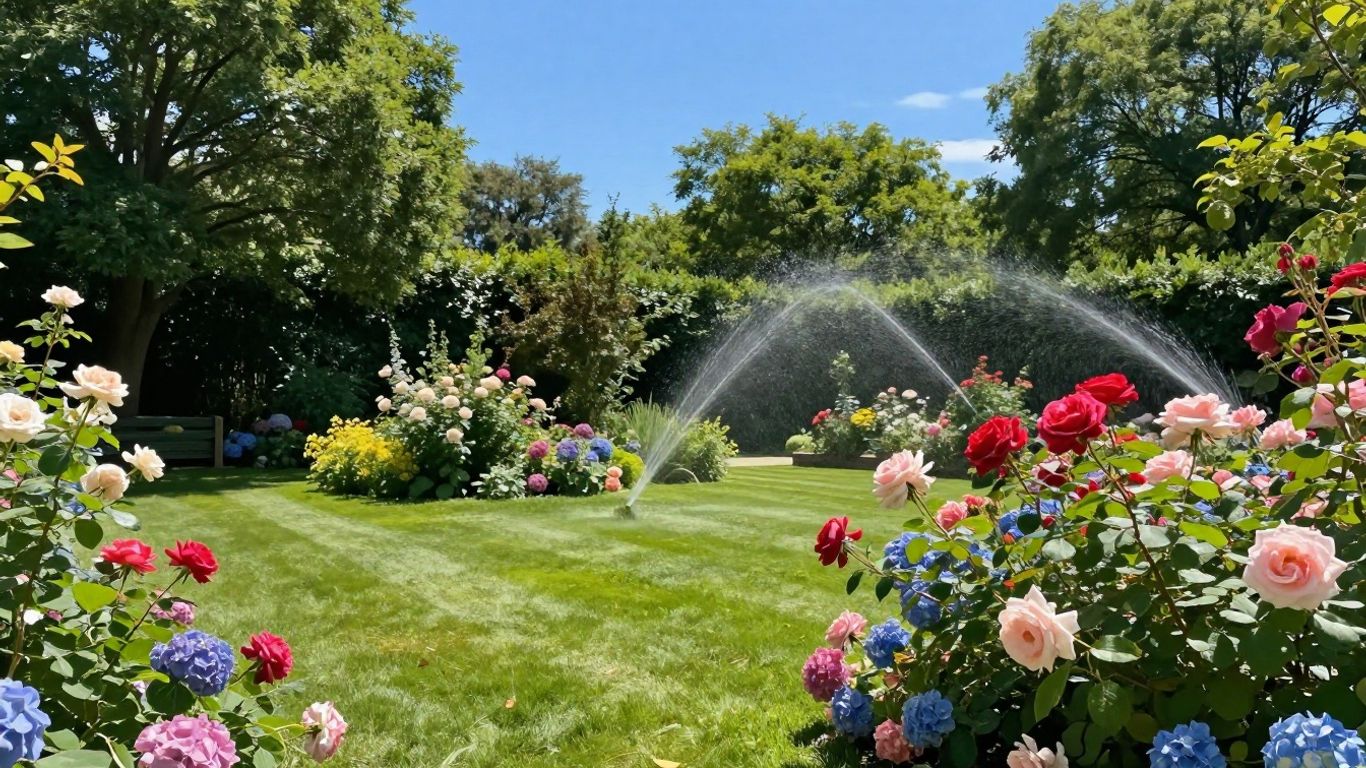
Summer is when your landscape really shows off, but it also needs extra attention to stay healthy and looking good. The heat and dry spells can be tough on plants and grass, so keeping up with a few key tasks makes a big difference.
Water Management Strategies
Watering is probably the most important thing you’ll do in the summer. Plants need consistent moisture, especially when it’s hot. Try to water early in the morning or late in the evening. This helps the water soak in before the sun gets too strong and causes it to evaporate. Watering deeply but less often is usually better than a quick sprinkle every day. This encourages roots to grow deeper, making your plants tougher against dry spells. Checking your irrigation system regularly is also a good idea. Make sure sprinklers are working right and not wasting water. You can find some great tips on water-saving irrigation at water-saving valves.
Pest and Disease Prevention
Summer’s warmth can also bring out pests and diseases. Keep an eye on your plants for any signs of trouble, like spots on leaves or bugs munching away. Catching these problems early makes them much easier to deal with. Sometimes, just removing affected leaves is enough. For bigger issues, there are different ways to handle them, from natural methods to treatments. It’s all about staying watchful and acting fast.
The summer heat can stress your landscape, making it more vulnerable. Consistent, smart watering and regular checks for pests and diseases are your best defense.
Hardscaping Projects and Maintenance
Summer is also a good time to think about the hard parts of your landscape – things like patios, walkways, and retaining walls. If you’ve been thinking about adding a new paver patio or fixing up an old stone path, summer’s weather is usually good for this kind of work. It’s also a good time to check existing hardscaping for any issues. Roots can push up walkways, weeds can grow between stones, or drainage might be off. Fixing these problems now can prevent bigger headaches later and keep your outdoor spaces safe and looking sharp.
Fall: Preparing for Dormancy and Beauty
As the leaves turn those amazing shades of red, orange, and yellow, it’s a clear sign that fall is here. While it might feel like your landscape is winding down, this season is actually a really important time for getting things ready for winter and setting the stage for a great spring.
The Importance of Mulching
Mulching in the fall is a big deal for your plants. It’s like giving them a cozy blanket for the colder months. A good layer of mulch helps keep the soil temperature more even, protecting plant roots from those freeze-and-thaw cycles that can really do some damage. It also helps keep moisture in the ground, which is good for any plants that are still trying to establish themselves.
- Insulates Roots: Protects against extreme temperature swings.
- Retains Moisture: Reduces the need for watering as temperatures drop.
- Suppresses Weeds: Stops weed seeds from germinating over winter.
- Improves Soil: As organic mulch breaks down, it adds nutrients.
Clearing Fallen Leaves and Debris
It’s easy to let those fallen leaves just sit there, but they can actually cause problems. A thick layer of leaves can smother your grass, blocking sunlight and air, and creating a damp environment where diseases can thrive. So, getting them cleared off is a key task. You can rake them up, use a leaf blower, or even shred them with your mower to use as mulch elsewhere in the garden.
Don’t forget that clearing debris isn’t just about looks; it’s about preventing issues like lawn diseases and pest infestations that can hide under piles of leaves.
Seasonal Planting and Garden Bed Care
Fall is actually a fantastic time to get some planting done. The soil is still warm enough for roots to grow, but the cooler air and increased moisture mean less stress for new plants. This is the perfect time to plant spring-blooming bulbs like tulips and daffodils. It’s also a good period to divide and transplant perennials that have gotten too big or crowded. This revitalizes them and helps them prepare for the next growing season. Remember to water any new plantings until the ground freezes solid. You can also give your garden beds a final tidy-up, adding compost or other organic matter to enrich the soil for spring. Preparing your yard for winter with a late-fall checklist is a smart move. Get your yard ready for the colder months ahead.
Here’s a quick rundown of what to consider:
- Plant Spring Bulbs: Get those bulbs in the ground for a colorful spring show.
- Divide Perennials: Give your established plants room to grow.
- Add Compost: Enrich your garden beds for the next season.
- Water New Plants: Keep them hydrated until winter sets in.
Winter: Protecting and Planning Ahead
Winter might seem like a quiet time for your landscape, but it’s actually a period of important rest and preparation. It’s when your plants are taking a break, and it’s our chance to help them through the cold and get ready for a great spring.
Winterizing Your Landscape
This is all about giving your plants a cozy blanket for the cold months. Think of it like tucking them in. We want to shield them from frost, ice, and harsh winds. This helps prevent damage that can set plants back when warmer weather arrives.
- Mulch is your friend: A good layer of mulch around trees and shrubs acts like insulation. It keeps the soil temperature more stable, protecting roots from freezing and thawing cycles that can push them out of the ground.
- Watering when it’s dry: Even in winter, plants can lose moisture, especially evergreens. If we have a dry spell, a good watering, particularly for new plantings or sensitive species, can make a big difference.
- Protecting from the elements: For more delicate plants, consider using frost cloths or burlap wraps. These create a barrier against freezing temperatures and drying winds.
Protecting Sensitive Plants
Some plants need a little extra TLC during winter. It’s not just about keeping them warm; it’s about preventing physical damage too.
- Snow and ice management: Heavy snow can break branches. If possible, gently brush off excess snow. Be careful with ice melt products, as they can harm plants. Try to keep them away from garden beds.
- Dormant pruning: This is a good time to trim back dead or damaged branches on trees and shrubs. It helps prevent them from breaking under the weight of snow and ice, and it tidies things up for spring.
- Pest prevention: Applying horticultural oil during the dormant season can help kill off overwintering insect eggs, giving you a head start on pest control for the next year.
Planning for the Next Growing Season
Winter is the perfect time to dream about what you want your garden to look like next year. It’s a slower period, so you have the time to really think things through.
- Review and reflect: Look back at your landscape. What worked well this past year? What didn’t? Make notes of areas you want to change or improve.
- Research and select: Now’s the time to pick out new plants, decide on color schemes, or plan any new garden beds or features. You can order seeds or bare-root plants during this time.
- Tool maintenance: Don’t forget your tools! Clean, sharpen, and repair them now. It’s also a good time to service any power equipment, like mowers, so they’re ready to go when spring hits.
Winter is a time for rest, but it’s also a time for smart preparation. By taking these steps, you’re not just protecting your landscape; you’re setting it up for a beautiful and healthy year ahead. It’s about being proactive so you can enjoy the results when the weather warms up.
Establishing Your Landscaping Maintenance Schedule
Keeping your yard looking its best isn’t a one-and-done job. It’s more like a continuous project, and having a plan makes all the difference. Think of it like this: you wouldn’t just go to the doctor once and expect to be healthy forever, right? Your landscape needs regular check-ups too. A good schedule helps you stay on top of things, catch problems early, and make sure your outdoor space is always ready for you to enjoy.
Weekly Lawn Care Essentials
Some tasks just need to be done more often to keep things looking sharp. These are the "bread and butter" of yard work that make a big visual impact.
- Mowing: Aim to mow regularly during the growing season. This usually means once a week from spring through fall. Don’t cut too much off at once; a little at a time keeps the grass healthy.
- Edging: Keep those clean lines along sidewalks, driveways, and garden beds. It makes a huge difference in the overall tidiness of your yard.
- Weed Patrol: Keep an eye out for weeds. Spot-treating them as soon as you see them is way easier than dealing with a full-blown infestation later.
- Pest & Disease Checks: Take a quick look for any signs of trouble. Early detection can save your lawn from serious damage.
Monthly Tasks for Overall Health
These are the tasks that keep the deeper systems of your landscape running smoothly. They might not be as visible day-to-day, but they’re super important for long-term health.
- Fertilizing: Depending on your grass type and climate, a monthly or bi-monthly feeding can provide the nutrients your lawn needs to thrive. Check what works best for your area.
- Pruning: Light pruning of shrubs and perennials can encourage new growth and keep plants from getting out of hand. Focus on removing dead or damaged branches.
- Deep Watering Check: Make sure your irrigation system is working correctly and that plants are getting a good, deep drink. Adjust watering based on rainfall and temperature.
- Garden Bed Weeding: While you’re spot-treating weekly, a more thorough weeding session once a month can prevent things from getting overwhelming.
Tailoring Schedules to Your Climate
What works in one place might not be ideal somewhere else. Your local weather patterns play a big role in how often you need to do certain tasks. For example, areas with heavy rainfall might need more frequent mowing and drainage checks, while dry climates will focus more on water conservation and drought-tolerant planting.
Understanding your specific climate is key to creating a maintenance plan that actually works. It’s not just about following a generic list; it’s about adapting those general ideas to the reality of your backyard. This means paying attention to when your region typically experiences heat waves, frost, or heavy rains, and adjusting your care routine accordingly. For instance, if you live somewhere with hot, dry summers, you’ll want to prioritize deep watering and mulching to help your plants survive. On the other hand, if you’re in a region with wet winters, you’ll need to focus on drainage and preventing fungal diseases. This thoughtful approach to residential landscaping services ensures your landscape stays healthy and beautiful all year round, no matter the weather.
Remember, consistency is more important than perfection. A little bit of regular care goes a long way in keeping your landscape looking great and preventing bigger problems down the line.
Wrapping It Up
So, there you have it. Keeping your yard looking good isn’t just a spring or summer thing; it’s a year-round commitment. Each season throws its own curveballs, from spring cleanups to winter prep. But by staying on top of these tasks, you’re not just making your place look nicer. You’re helping your plants and lawn stay healthy, which honestly, is the best way to go. It might seem like a lot, but breaking it down by season makes it way more manageable. Think of it as giving your outdoor space the attention it deserves, and in return, it’ll keep looking great, no matter what the weather’s doing.
Frequently Asked Questions
Why is taking care of my yard important all year round?
Think of your yard like your house. You wouldn’t just fix the roof once and forget about it, right? Your yard needs regular attention too! Doing landscaping tasks throughout the year keeps your plants healthy, your lawn looking great, and can even make your home more valuable. It’s all about staying ahead of problems before they get big and costly.
What’s the main thing to focus on in the spring?
Spring is like waking up your yard after a long nap. The most important job is cleaning up all the winter mess – dead leaves, twigs, and anything else that fell. You also want to get your soil ready for new growth and make sure your sprinklers are working right.
How should I handle my yard during the hot summer months?
Summer heat can be tough on your plants. The key is to manage water carefully. Make sure your lawn is getting enough to drink without being soaked, and keep an eye out for any bugs or sickness that might pop up in the heat. It’s also a good time for any bigger projects like building a patio.
What’s the big deal about fall yard work?
Fall is all about getting your yard ready for winter. Putting down mulch is super important because it acts like a cozy blanket for your soil, keeping it from getting too cold and holding in moisture. Clearing away fallen leaves also helps your grass breathe.
Do I really need to do anything in my yard during winter?
Yes! Winter is for protecting your plants from the cold and planning for next year. This might mean covering up sensitive plants or making sure your irrigation system is ready for freezing temperatures. It’s also the perfect time to dream up new ideas for your garden come spring.
How often should I do basic yard tasks like mowing?
For mowing, it really depends on how fast your grass grows, but generally, you’ll want to mow weekly during the main growing season (spring through fall). Other tasks, like checking for weeds or bugs, are good to do weekly too. Bigger jobs, like deep cleaning or major pruning, might be monthly or seasonal.
