
When I first heard about lawn aeration, I thought it sounded way more complicated than it actually is. Turns out, it’s just poking holes in your yard so your grass can breathe and soak up what it needs. If you’ve ever noticed your lawn looking a bit tired or patchy, you might be dealing with compacted soil. That’s where aeration comes in. In this guide, I’ll break down what lawn aeration explained really means, why it matters, and how you can do it yourself without a lot of fuss.
Key Takeaways
- Lawn aeration explained: It’s simply making holes in your yard to help air, water, and nutrients reach the grass roots.
- Aeration is most helpful for lawns with heavy foot traffic, clay soil, or signs of thinning and patchiness.
- The best times to aerate are during spring or fall, when grass is actively growing and can recover quickly.
- There are two main methods: core aeration (removes plugs of soil) is usually better than spike aeration (just pokes holes).
- After aeration, fertilize and water your lawn to help it bounce back stronger and greener.
Understanding Lawn Aeration Explained
So, what exactly is lawn aeration? Think of it as giving your grass a breath of fresh air. It’s a process that involves making small holes in your lawn’s soil. This might sound a bit odd, but it’s actually a really effective way to help your grass grow healthier and stronger.
What Lawn Aeration Entails
At its core, aeration is about loosening up soil that’s become packed down over time. This packing happens naturally from things like walking on the grass, mowing, or even just the weight of rain. When soil gets too dense, it’s hard for air, water, and nutrients to get down to the grass roots where they’re needed most. Aeration creates pathways for these vital elements to reach the roots, essentially giving your lawn a much-needed drink and a good meal.
The Purpose Behind Aeration
The main goal of aeration is to combat soil compaction. When soil is compacted, it’s like trying to push water through a brick wall – it just doesn’t work well. This compaction can choke off your grass, making it weak and prone to problems. By aerating, you’re reducing that density, allowing everything the grass needs to flow freely. It also helps manage thatch, which is that layer of dead grass and roots that can build up and smother your lawn.
Core Aeration vs. Spike Aeration
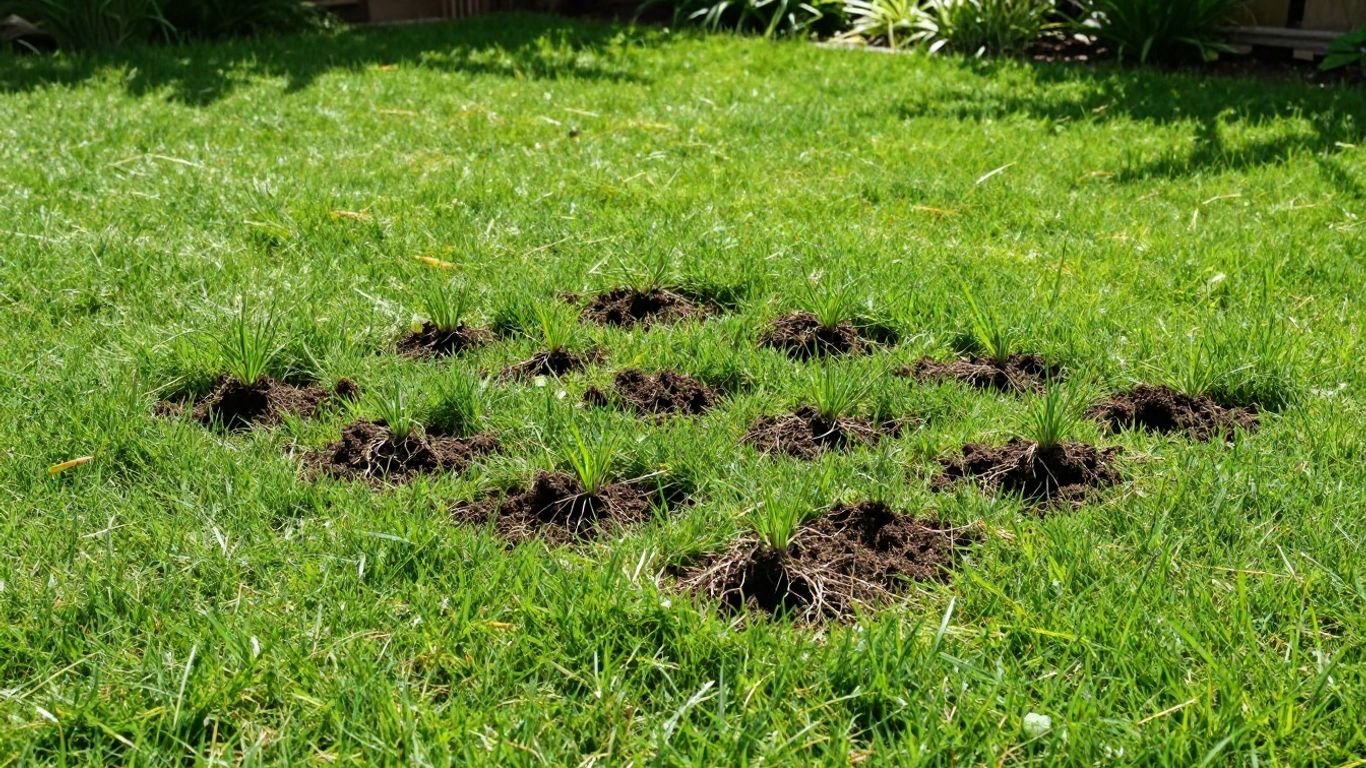
There are a couple of main ways to aerate your lawn. The most common and generally most effective is core aeration. This method uses a machine that pulls out small plugs, or cores, of soil from your lawn. These little soil plugs are left on the surface to break down naturally. The other type is spike aeration, which simply pokes holes into the ground with spikes. While spike aeration can offer some immediate relief, core aeration tends to be more thorough in breaking up compacted soil and creating better pathways for nutrients. For most homeowners, a core aerator is the way to go.
Here’s a quick look at the differences:
| Aeration Type | Method | Outcome |
|---|---|---|
| Core Aeration | Removes small plugs of soil | Creates larger, more effective channels for air, water, and nutrients |
| Spike Aeration | Punctures soil with spikes | Offers temporary relief, less effective for severe compaction |
Aeration is a simple task that can make a world of difference in both the health and appearance of your lawn. It’s not just about making holes; it’s about creating a better environment for your grass to thrive. If your lawn gets a lot of foot traffic or has heavy clay soil, it’s probably a good candidate for aeration. You can even do a quick test yourself: try pushing a screwdriver into the ground. If it’s tough to get in, your soil is likely compacted and could benefit from aeration. Check out fertilization schedules to pair with your aeration efforts for maximum results.
Why Your Lawn Needs Aeration
Think of your lawn like a busy city street. Over time, all that foot traffic, the weight of your mower, and even just the natural settling of the soil can pack things down pretty tight. When the soil gets compacted, it’s like a traffic jam for your grass’s roots. They can’t get the air, water, and nutrients they need to grow strong and healthy. That’s where aeration comes in – it’s like opening up new lanes on that busy street.
Combating Soil Compaction
Soil compaction is a common problem, especially on lawns that see a lot of action. Whether it’s kids playing, pets running around, or just regular mowing, the soil gets squeezed. This makes it hard for anything to get through. Aeration tackles this head-on by creating small openings in the soil. This loosens things up, giving the roots room to breathe and spread out.
Improving Nutrient and Water Access
When your soil is compacted, it acts like a barrier. Water might run off the surface instead of soaking in, and fertilizers can’t reach the roots effectively. Aeration pokes holes through that barrier, making it much easier for water and nutrients to travel down to where the grass roots can actually use them. This means your grass gets better hydration and nutrition, leading to a greener, more vibrant lawn.
Reducing Thatch Buildup
Over time, your lawn can develop a thick layer of dead grass and roots called thatch, right on top of the soil. If this layer gets too thick (more than half an inch), it can choke out your grass, blocking air, water, and nutrients just like compacted soil does. Aeration helps break up this thatch layer, allowing it to decompose or making it easier to remove. This keeps the surface healthy and allows your grass to thrive.
When your soil is packed down tight, it’s tough for your grass to get what it needs. Aeration is basically giving your lawn a chance to breathe and drink properly again.
Determining If Your Lawn Requires Aeration
When is it time to aerate your lawn? Some people think aeration is only for pros, but you can spot the need yourself. Here’s how to figure out if your grass is feeling stuck and could really use a breather.
Signs Your Lawn Needs Attention
Knowing what to look for makes all the difference. Your lawn can tell you it’s stressed without saying a word. These are the most obvious signs:
- Grass looks patchy or thinner than usual
- Brown or yellowing spots that don’t go away
- Soil feels rock hard to the touch
- Rainwater sits on the surface instead of draining
- Your lawn just doesn’t seem to perk up after watering or fertilizing
The Screwdriver Test for Soil Compaction
If your lawn’s not looking its best, try this simple test before pulling out the aerator. All you need is a standard screwdriver.
- Take a screwdriver and try to push it straight into your lawn’s soil.
- If it slides in smoothly, your soil isn’t compacted.
- If you need serious muscle just to poke it in, your soil is packed tight—and your lawn will thank you for aeration.
If it’s tough to poke a metal screwdriver through your soil, imagine how hard it is for grass roots to do the same. Compacted soil is one of the biggest reasons for sad, struggling lawns.
When Clay Soils Benefit Most
Not all soils are the same, and some need more regular aeration. Clay-heavy soils especially get compacted faster than sandy or loamy yards. If your backyard feels lumpy, heavy, or the grass never seems as thick as the neighbor’s, annual aeration in clay soil isn’t just nice—it’s practically required.
Here’s a quick table to help you judge how often your soil type needs aeration:
| Soil Type | Recommended Aeration |
|---|---|
| Clay | Every year |
| Sandy | Every 2–3 years |
| Loam | Every 1–2 years |
If you’re still unsure, keep an eye on your lawn’s health over the season. A little attention now prevents big problems later, and your grass will definitely show its gratitude with thicker, greener growth.
The Ideal Timing for Lawn Aeration
Getting the timing right is probably the most important part of lawn aeration. Aerating your lawn at the wrong time can do more harm than good, so let’s break it down to make it simple.
Seasonal Considerations for Aeration
The best time to aerate depends on the type of grass in your yard. Aerate when your grass is actively growing. Why? Because healthy, growing grass will recover faster from having holes poked in it.
Here’s a quick look at when to aerate based on grass type:
| Grass Type | Best Time to Aerate |
|---|---|
| Cool-season | Early fall or early spring |
| Warm-season | Late spring to early summer |
- For cool-season grasses (like fescue, ryegrass, and Kentucky bluegrass), the best window is early fall, but early spring can work too.
- If you’ve got warm-season grass (think Bermuda, St. Augustine, Zoysia), aim for late spring or very early summer.
- Always avoid aerating in dormancy or during extreme heat or cold. Aeration stresses your lawn and your grass can’t bounce back while it’s "sleeping."
Peak Growing Seasons for Recovery
Aerate when your lawn is growing fast. Why? That’s when the roots get a boost and the grass can heal quickly. Here’s how to match aeration to peak growth:
- Cool-season grasses: Aerate in fall when temperatures are cooling off, but the grass is still growing. Second-best is early spring, before the summer heat.
- Warm-season grasses: Late spring to early summer is perfect since warm-season grass really gets going when soil temperatures rise.
If you aerate when the grass is growing steadily, the holes will fill in with thick, healthy blades, not weeds.
Factors Influencing Aeration Frequency
How often should you aerate? That depends on a few things:
- Soil Type: Clay soil compacts easily and needs more regular aeration (maybe annually), while sandy soil may only need it every 2-3 years.
- Foot Traffic: Yards with lots of activity (kids, pets, gatherings) will likely need aeration more often. Compaction happens fast with lots of footsteps.
- Weather and Climate: If your lawn goes through heavy rains, drought, or freeze-thaw cycles, soil compaction can set in, making aeration more necessary.
Some basic rules:
- Lawns with thick clay or heavy use—consider annual aeration.
- Well-kept, sandy, or low-traffic lawns may need it only every few years.
- Don’t aerate when soil is either very dry or soggy. Aim for damp, not muddy.
Timing your aeration right maximizes your lawn’s recovery and sets the stage for thick, green grass the rest of the year.
How to Aerate Your Lawn Effectively
So, you’ve figured out your lawn needs a little help. That’s great! Now comes the part where we actually get it done. It’s not rocket science, but doing it right makes a big difference. Think of it like giving your grass a good massage to loosen things up.
Preparing Your Lawn for Aeration
Before you even think about firing up the aerator, there are a couple of things to do. First, give your lawn a good, deep watering about a week before you plan to aerate. This softens the soil, making it easier for the aerator to do its job and pull out those nice, clean plugs of soil. If you skip this, you’ll just be fighting tough, dry dirt, and that’s no fun for anyone, especially your lawn.
Next, mow your lawn the day you plan to aerate. It’s a good idea to cut it a little shorter than usual, maybe an inch or two lower. And make sure to bag those clippings. You don’t want a bunch of grass bits getting in the way when you’re trying to make holes.
Finally, take a minute to mark any sprinkler heads, underground wires, or pipes. You really don’t want to hit one of those. Also, look out for any big rocks or tree roots near the surface. A little bit of prep work here can save you a lot of headaches later.
The Aeration Process Step-by-Step
Alright, time to get to it. You’ll need an aerator. You can rent a walk-behind model from most garden supply stores, or if you have a riding mower, you might be able to get a tow-behind attachment. Core aerators are generally the best bet because they pull out plugs of soil, creating good-sized holes.
- Start Aerating: Begin working your way across the lawn. It’s kind of like mowing, but you’re going over the same areas multiple times.
- Multiple Directions: For the best results, go over your lawn in two or three different directions. This ensures you’re loosening up the soil pretty thoroughly.
- Leave the Plugs: Don’t rake up those little soil plugs that the aerator leaves behind. They’ll break down on their own and put nutrients back into your soil. It might look a bit messy for a day or two, but trust the process.
Aerating is all about creating space for good things to happen. Those little holes are pathways for water, air, and nutrients to reach your grass roots, which is exactly what they need to grow strong and healthy.
Post-Aeration Care and Fertilization
Once you’re done aerating, your lawn is actually in a prime state for a little extra help. Since you’ve just opened up the soil, it’s the perfect time to fertilize. The nutrients from your fertilizer can now get right down to the roots where they’re needed most.
Choose a fertilizer that’s appropriate for the season. If you’re aerating in the spring, use a spring fertilizer. If it’s fall, go with a fall blend. Applying a liquid fertilizer or something like sea kelp right after aerating can really give your lawn a boost and help it recover faster.
After fertilizing, make sure to water your lawn as you normally would. This helps settle everything in and keeps your grass from getting stressed. With a little care after aeration, you’ll see a much healthier, greener lawn before you know it.
Preventing Future Soil Compaction
Keeping soil from getting packed down in the first place can save a lot of effort. Once you’ve got your lawn growing strong, a little prevention goes a long way. Let’s get into practical steps for keeping that soil nice and loose.
Smart Mowing Practices
Mowing seems simple, but your technique and equipment actually matter for soil health.
- Avoid mowing when it’s wet. Wet soil squashes easily, and mower wheels dig ruts.
- Choose a lighter mower if possible. Heavier machines press into the ground—lightweight models are easier on the soil.
- Mix up your mowing pattern. Changing directions with each mow spreads out wear and tear, so you don’t create compacted tracks over time.
Even your best mowing routine can compress the soil little by little, so mix up your path and don’t rush into the yard right after rain.
Managing Foot Traffic
Daily life in the yard adds up. Kids, pets, barbecue guests, and games all push down the dirt. Here’s how to protect the soil:
- Create walkways or stepping stones for regular paths, so shoes don’t keep flattening the same spots.
- Set up play areas off the main lawn to spread out foot traffic.
- Train pets to use a dedicated spot if possible.
A simple path or even just some flat stones can keep grass roots from getting crushed.
Addressing Drainage Issues
Pooling water or soggy patches cause trouble. Flooded lawns not only drown the roots but make your ground even easier to pack down.
| Problem | Fix |
|---|---|
| Water pooling | Add drainage or regrade low lawn spots |
| Slow drying soil | Aerate to help soil dry out faster |
| Thick thatch | Rake or dethatch to help water soak in |
| Heavy soil types | Mix in compost to loosen the soil |
For more ways to help your grass handle weather and water, look into watering deeply and infrequently so the roots reach down for moisture and don’t just hug the surface.
Preventing compaction isn’t a one-time job. It’s about watching how you treat the lawn and making a habit of good choices—light mowing, clever traffic flow, and proper drainage all matter. Over time, these little changes make a visible difference.
Wrapping It Up
So, there you have it. Aerating your lawn might seem like just another chore, but it’s a pretty big deal for your grass. Think of it as giving your lawn a good drink and a breath of fresh air, all at once. By loosening up that packed soil, you’re making it way easier for water, air, and all those good nutrients to get down to the roots where they’re needed. Most lawns do well with it once a year, especially in the spring or fall when the grass is ready to bounce back. If you’ve got clay soil or a lot of foot traffic, you might even consider doing it twice. It’s a simple step that really pays off, leading to a thicker, greener, and much happier lawn. Give it a try – your grass will thank you for it!
Frequently Asked Questions
What exactly is lawn aeration?
Lawn aeration is like giving your grass a breath of fresh air! It’s a way to loosen up soil that’s become packed down tight. Imagine tiny little holes poked into the ground. These holes let air, water, and important food for your grass easily reach the roots, helping your lawn grow strong and healthy.
Why is aerating my lawn so important?
Over time, things like walking on your grass, mowing, and even just the weather can make the soil really hard. When soil is packed tight, it’s tough for water and nutrients to get to the grass roots. Aerating breaks up this hardness, making it much easier for your grass to get what it needs to look its best and stay healthy.
How can I tell if my lawn needs aeration?
If your lawn looks a bit sad, has dry spots, or doesn’t bounce back well after you walk on it, it might need aeration. A simple test is to try pushing a screwdriver into the ground. If it’s really hard to get it in more than an inch or two, your soil is probably too compacted and could use some aeration.
When is the best time to aerate my lawn?
The best times to aerate are usually in the spring or fall. These are the times when your grass is actively growing and can recover the quickest from the process. It’s usually best to avoid aerating when your lawn is stressed by really hot weather or when it’s frozen in the winter.
What’s the difference between core aeration and spike aeration?
Core aeration is the most effective method. It uses a machine to pull out small plugs of soil, creating bigger openings for air and water. Spike aeration just pokes holes with spikes, which can sometimes make the soil even more compacted. For the best results, core aeration is the way to go.
What should I do after aerating my lawn?
After you aerate, it’s a great time to give your lawn some extra food! Fertilizing right after aeration helps the nutrients get deep into the soil where the roots can use them. You can also just let the little soil plugs that were pulled out break down naturally on the lawn; they’ll add good stuff back into the soil.
