
Thinking about sprucing up your yard? It can feel like a big project, but with a few smart landscaping tips for homeowners, you can totally transform your outdoor space. Whether you’re looking to add some color, create a place to hang out, or just make your home look nicer from the street, there are simple ways to get there. We’ll go over some ideas that make sense, from picking the right plants to figuring out where to put a patio.
Key Takeaways
- Understand your yard’s conditions, like sun and soil, before you start planning.
- Think about how you want to use your outdoor space – for relaxing, playing, or entertaining.
- Layering different plants and using edging can make your garden beds look much better.
- Hardscaping, like patios and walkways, adds structure and function to your yard.
- Choosing native plants means less work for you and a healthier environment.
Strategic Planning for Your Landscape
Before you even think about picking out plants or deciding on a patio style, it’s smart to do some planning. This part might not seem as exciting as choosing colorful flowers, but it’s really the foundation for a landscape you’ll love for years. Getting this right means your yard will work better for you and look good without a ton of fuss.
Understanding Your Site’s Unique Conditions
Every yard is different, and knowing what makes yours special is the first step. Think about the sun and shade patterns throughout the day and year. Where does the sun hit the most, and where does it stay shady? Also, consider how water moves across your property. Does it pool anywhere after it rains? Knowing these things helps you pick the right spots for different plants and features. It’s also a good idea to check your soil type. Is it sandy, clay, or something else? This affects what will grow well. A little bit of homework here saves a lot of headaches later.
Aligning Your Landscape with Seasonal Rhythms
Your yard changes with the seasons, and your plan should too. Think about what you want your outdoor space to do for you throughout the year. Do you want a place to relax in the summer sun? Or maybe a spot to enjoy the fall colors? Planning with the seasons in mind means you can enjoy your yard more consistently. It also helps with maintenance. For example, some tasks are best done at certain times of the year. Getting a handle on this helps prevent tasks from piling up and becoming overwhelming. A good plan works with nature, not against it. This approach can lead to a more sustainable and efficient outdoor space [4535].
Defining Your Outdoor Living Needs
How do you actually want to use your yard? This is a big question. Are you someone who loves to entertain and needs a large patio for parties? Or do you prefer a quiet corner for reading a book? Maybe you have kids and need a safe play area. Jotting down what activities are important to you will guide your design choices. Think about:
- Gathering Spaces: Where will people sit and mingle?
- Activity Zones: Do you need space for gardening, playing, or exercising?
- Flow and Access: How will you move between different areas?
- Privacy: Do you want to create more secluded spots?
Considering these needs upfront helps create a landscape that truly fits your lifestyle and makes your outdoor space feel like an extension of your home.
Enhancing Curb Appeal and Functionality
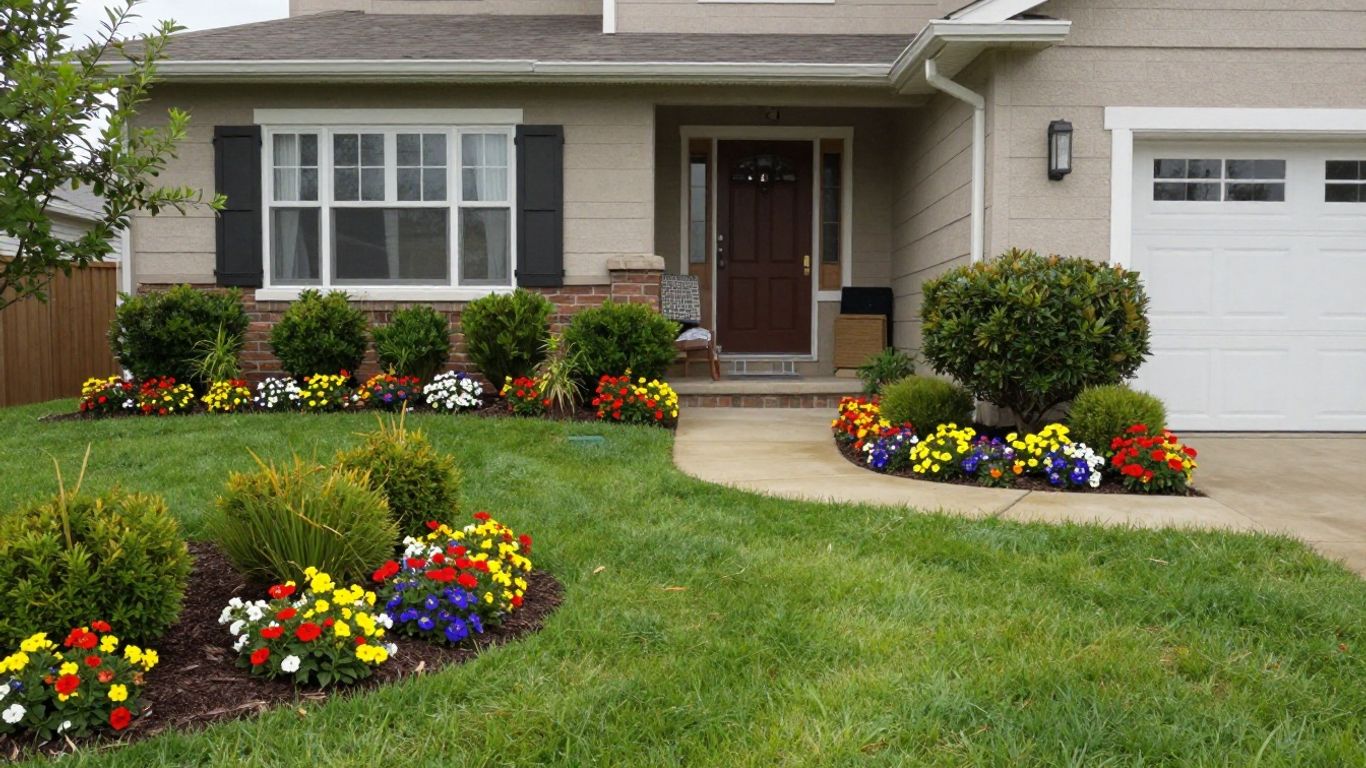
Making your home look good from the street and making your yard actually useful are big parts of landscaping. It’s not just about pretty flowers; it’s about how your yard looks and how you can use it. We want to help you make your outdoor space look great and work for you, whether you’re just relaxing or having people over.
Layering Plants for Visual Depth
Think about your garden like a painting. You don’t just put one flat layer of color, right? You add things in front and behind to make it look interesting. Planting in layers does the same for your yard. Start with taller plants or small trees in the back, then medium-sized shrubs in the middle, and finally, low-growing ground cover or flowers at the front. This makes your garden look bigger and more complex. It also gives different kinds of homes for bugs and birds, which is pretty neat.
- Back Layer: Use trees or tall shrubs for height and structure.
- Middle Layer: Add shrubs and perennials that fill in the space.
- Front Layer: Finish with groundcovers, small flowers, or ornamental grasses.
Using different textures and colors in each layer will make your garden pop, even when nothing is in bloom.
Using Edging to Define Garden Beds
Have you ever seen a garden bed that just looks messy, with grass creeping in? Edging is the fix for that. It’s like a neat border that keeps your garden beds separate from your lawn or pathways. This makes everything look tidy and intentional. You can use all sorts of materials for edging, from simple plastic strips to fancy stone or metal.
- Keeps Grass Out: Stops your lawn from taking over your flower beds.
- Clean Look: Gives your garden beds a sharp, finished appearance.
- Material Options: Choose from brick, stone, metal, wood, or plastic.
Creating Welcoming Pathways
Pathways do more than just let you walk across the yard without stepping on the grass. They guide people, show off different parts of your garden, and connect different areas, like your patio to your front door. A well-made path can make your yard feel more inviting and easier to get around. You can use pavers, gravel, stepping stones, or even mulch, depending on the look you’re going for and how much traffic the path will get.
- Guide Visitors: Clearly show people where to walk.
- Connect Spaces: Link your house to your garden, patio, or shed.
- Add Style: Choose materials that match your home’s look.
Incorporating Hardscaping Elements
Hardscaping is all about the non-living parts of your yard. Think patios, walkways, and walls. It’s what gives your landscape its structure and makes it usable. When done right, it really makes your outdoor space feel complete and adds a lot of character.
Designing with Paver Patios for Entertaining
Paver patios are super popular, and for good reason. They give you a solid, good-looking spot to hang out, eat, or have friends over. You can pick from tons of different styles, textures, and colors to match your house. Plus, they don’t need a lot of upkeep and hold up well over time, making them a smart choice for your outdoor living area.
Building Retaining Walls for Beauty and Purpose
Retaining walls do more than just hold back dirt on a slope. They can add cool levels and shape to your yard. You can even build seating into them. They look good and are super useful.
- Manage Slopes: They keep soil in place, preventing erosion.
- Create Levels: Build raised garden beds or tiered areas for plants.
- Add Seating: Integrate benches for extra spots to sit.
Exploring Unique Hardscaping Combinations
Don’t be afraid to mix and match different hardscaping materials. Combining things like natural stone, brick, and concrete can add a lot of visual interest. Think about how a stone pathway might lead to a paver patio, or how a low retaining wall could define a planting bed. These combinations make your yard feel more designed and less like just a bunch of separate pieces.
The right hardscaping can really transform how you use your yard. It’s about creating spaces that are both beautiful and functional, making your home more enjoyable year-round.
Choosing the Right Plants for Your Garden
Picking the right plants is like choosing the right ingredients for a recipe – get it wrong, and the whole dish can be a flop. But get it right, and your garden will be the star of the show. It’s not just about what looks pretty at the garden center; it’s about what will actually grow and thrive in your yard.
Selecting Native Plants for Easy Care
Let’s talk about native plants. These are the plants that have grown in your area for ages, long before any of us were around. Because they’re used to the local weather, soil, and bugs, they generally need a lot less fuss. Think less watering, fewer fertilizers, and a better chance of fighting off diseases. Plus, they’re a big help to local birds, bees, and butterflies. It’s a win-win for your garden and the environment.
Choosing plants that are native to your region is a smart move. They’re already adapted to the local climate and soil, meaning they’ll require less water and attention once established. This makes for a more sustainable and low-maintenance garden.
Incorporating Plants with Seasonal Interest
Nobody wants a garden that looks the same all year round. That’s where seasonal interest comes in. This means picking plants that offer something special during different times of the year. Some plants have beautiful flowers in spring, others have great fall colors, and some even have interesting berries or bark that stand out in winter. Mixing these types of plants means your garden will have a changing display, keeping things fresh and exciting from January to December. It’s like having a garden that’s always putting on a show.
Here’s a quick look at what to consider for year-round appeal:
- Spring: Early blooms, fresh green leaves.
- Summer: Full flowers, lush foliage, maybe some fruit.
- Fall: Colorful leaves, seed heads, berries.
- Winter: Interesting bark, evergreen structure, persistent berries.
Adding Color Without Relying on Annuals
Annuals are those plants you see at the store that bloom all summer, but you have to replant them every year. They can be great for a quick pop of color, but they’re a lot of work and can get expensive. A better long-term strategy is to choose perennials, shrubs, and trees that offer color in different ways. Many perennials have colorful flowers that come back year after year. Shrubs can offer colorful foliage or berries, and trees can provide stunning fall color or interesting bark. By focusing on these types of plants, you build a garden with lasting color that doesn’t require constant replanting. For ideas on plants that do well in your specific climate, you might want to check out resources on Florida-friendly landscaping.
Illuminating Your Outdoor Oasis
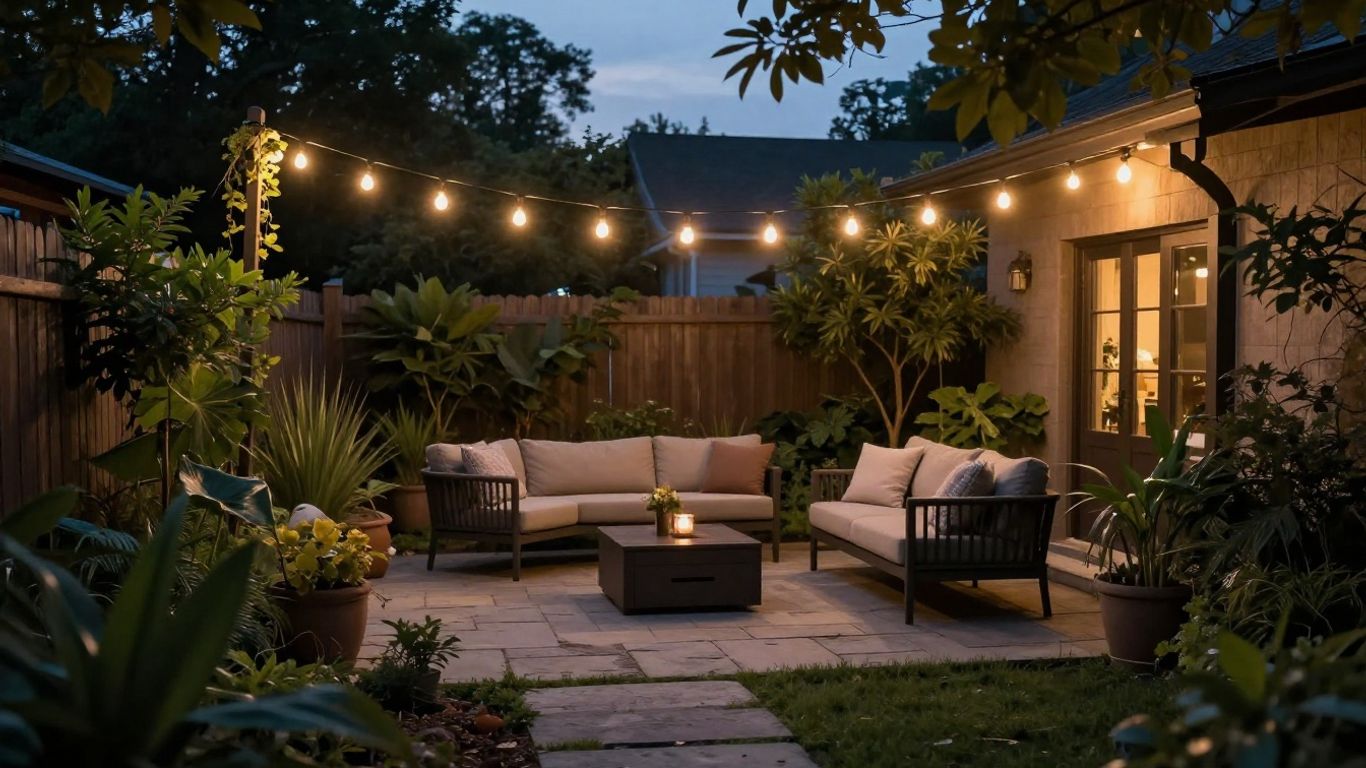
Think about your yard after the sun goes down. It can feel like a whole different place, right? Proper lighting changes everything. It’s not just about being able to see where you’re walking, though that’s important. Good lighting makes your yard feel safer and way more inviting when it’s dark out.
Using Lighting for Safety and Ambiance
When we talk about lighting, safety is a big one. Nobody wants to trip on a garden hose or miss a step on the patio after dark. Placing lights along pathways, steps, and entrances makes these areas visible. This helps prevent accidents and also makes your home look more secure. Beyond just safety, lighting creates a mood. Soft, warm lights can make your patio feel cozy for an evening chat, or highlight a beautiful tree. It’s about setting the right feel for whatever you’re doing outside.
- Path Lights: Low-level lights along walkways guide people safely.
- Step Lights: Small fixtures built into steps make them easy to see.
- Area Lights: Softer, broader lights for patios or seating areas.
- Security Lights: Motion-activated lights can deter unwanted visitors.
Lighting can transform a dark, unused space into a functional and beautiful extension of your home, usable long after sunset.
Highlighting Garden Features with Accent Lights
Once the main areas are lit, think about what you want to show off. Do you have a favorite sculpture, a striking tree, or a water feature? Accent lighting is perfect for drawing attention to these special parts of your landscape. You can use spotlights to shine up at a tree, creating dramatic shadows, or use subtle lights to make a fountain shimmer. This adds layers of interest to your yard and makes it look more polished. It’s like putting a spotlight on your favorite artwork, but for your garden. You can find a lot of helpful information on choosing the right bulbs for these projects here.
Lighting Strategies for Outdoor Kitchens
If you have an outdoor kitchen or dining area, lighting here is super practical. You need enough light to safely prepare food and see what you’re doing on the grill. But you also want it to feel pleasant for eating and socializing. Think about task lighting directly over the cooking surfaces, maybe some softer lights under an overhang or bar area, and perhaps some string lights overhead for a festive feel. Combining different types of lights means your outdoor kitchen is functional and looks great, no matter the time of day or night. It really makes the space feel complete and ready for guests.
Creating Inviting Outdoor Living Spaces
Designing Multi-Level Patios for Interest
Think about your backyard not just as a flat space, but as an opportunity to create different zones. Multi-level patios are a fantastic way to do this. They break up a large area and give each section a specific purpose. You could have a lower level for dining and a slightly raised one for lounging, for example. This adds visual interest and makes the space feel more dynamic.
Integrating Outdoor Kitchens and Dining Areas
More and more, people are bringing their cooking and eating outside. An outdoor kitchen doesn’t have to be super fancy. It can be as simple as a good grill with some counter space nearby for prep. If you love to cook and entertain, this is a game-changer. Imagine grilling burgers while still being part of the conversation with your guests. Adding a dining area nearby means you can serve meals right where they’re cooked, making outdoor meals feel more special.
Building Cozy Seating Areas with Pavers
Creating a comfortable spot to sit and relax is key to an inviting outdoor space. Using pavers for these areas gives you a solid, level surface that feels intentional. You can arrange seating around a fire pit or a small water feature to create a cozy nook. Think about how you want to use the space – maybe a quiet corner for reading or a larger area for friends to gather. The right seating arrangement, built on a well-laid paver base, makes all the difference.
Wrapping Up Your Outdoor Project
So, there you have it. Making your yard look great doesn’t have to be a huge headache. Whether you’re the type to get your hands dirty with all the work yourself, or you prefer to bring in some pros to help out, the main thing is to have a plan and stick with it. Think about what you want your yard to be, and then take it step by step. It’s all about making your outdoor space a place you truly enjoy. If you ever need a hand or some advice, don’t hesitate to reach out. We’re here to help you create something special.
Frequently Asked Questions
What’s the first thing I should do before planning my yard’s look?
Before you even think about plants or patios, take a good look at your yard. Think about how much sun it gets, what the soil is like, and if any areas tend to get too wet. Also, consider what you actually want to *do* in your yard – like relaxing, playing games, or having friends over. Knowing these things helps you make smart choices later.
How can I make my yard look good all year round?
To keep your yard looking nice throughout the year, pick plants that change with the seasons. Some have pretty flowers in spring, others have colorful leaves in fall, and some even have interesting shapes or berries in winter. Mixing these with plants that stay green all the time gives you constant visual interest.
What are ‘native plants’ and why should I use them?
Native plants are ones that naturally grow in your area. They’re like the local kids of the plant world! Because they’re used to the climate and soil, they usually don’t need as much watering, special food, or fussing. This makes them easier to care for and better for the local environment.
What’s the difference between landscaping and hardscaping?
Landscaping is mostly about the living things – plants, grass, trees, and flowers. Hardscaping is about the non-living parts that give your yard structure and function. Think of things like patios, walkways, retaining walls, and outdoor fireplaces. They’re the solid elements that make your outdoor space usable and attractive.
How can lighting improve my outdoor space?
Outdoor lighting does more than just help you see at night. It makes your yard safer by lighting up paths and steps, so no one trips. It also creates a lovely mood for evenings and can highlight special features like trees or garden art. It basically extends the time you can enjoy your yard after the sun goes down.
Is it better to have straight or curved paths in my yard?
That really depends on the look you’re going for! Straight paths can give a more formal, direct feel. Curved paths, on the other hand, can add a sense of mystery and lead you on a gentle journey through your garden, often making the space feel larger and more inviting.