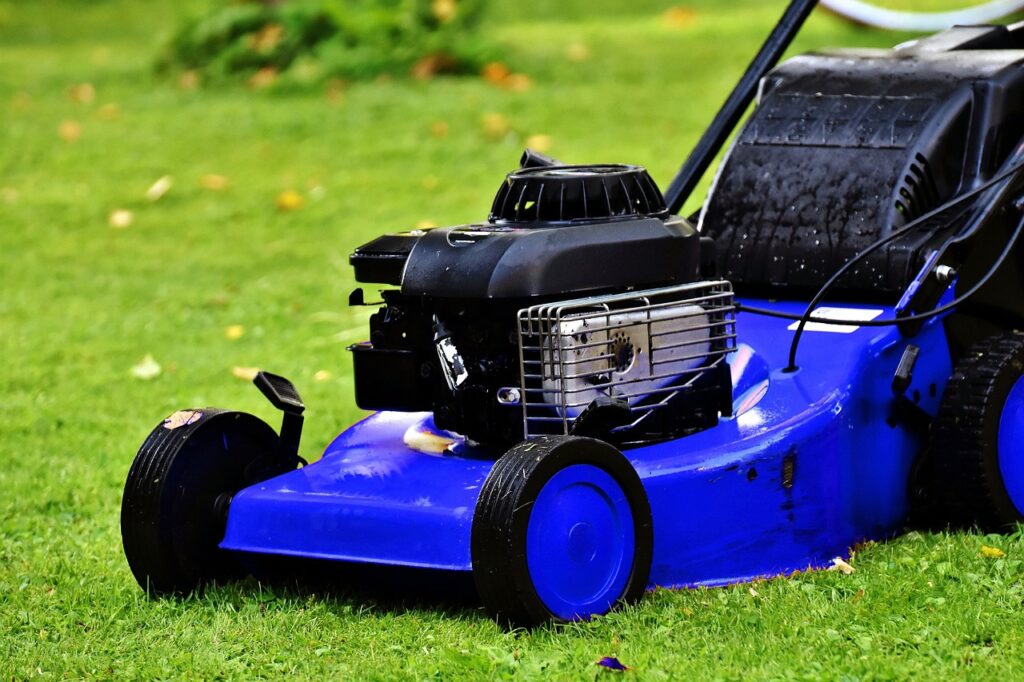
Keeping your lawn looking its best doesn’t have to be a chore, but it sure helps to have the right gear. Whether you’re just starting out or you’ve been tending your yard for years, having a good set of tools can make all the difference. It means less sweat, less time, and honestly, a much better-looking result. We’ve put together a list of the must-haves to help you get that healthy lawn you’ve been dreaming of.
Key Takeaways
- A good lawn mower with sharp blades is the most important tool for a healthy lawn, ensuring clean cuts and even growth.
- String trimmers and edgers are vital for tidying up edges and reaching spots your mower can’t, giving your lawn a polished look.
- Tools like fertilizer spreaders and soil testing kits help you properly nourish your lawn, leading to better growth and fewer problems.
- Proper watering is key; having a quality hose with a spray nozzle or considering a sprinkler system helps maintain consistent moisture.
- Seasonal cleanups are easier with tools like rakes and leaf blowers, keeping your lawn free of debris year-round.
The Foundation Of A Healthy Lawn: Mowing Essentials
Alright, let’s talk about the absolute bedrock of a good-looking lawn: mowing. It sounds simple, right? Just push a mower around. But honestly, getting this part right makes a huge difference in how your grass looks and, more importantly, how healthy it stays. It’s not just about cutting the grass; it’s about how you cut it.
Choosing The Right Lawnmower For Your Yard
First off, you need a mower that fits your yard. Got a postage stamp-sized lawn? A simple push reel mower might do the trick. They’re quiet, eco-friendly, and give you a bit of a workout. For medium-sized yards, a self-propelled mower is a lifesaver. It does most of the heavy lifting, so you’re just guiding it. And if you’ve got acres to tame, a riding mower is probably your best bet. Think about the power source too – gas, electric, or battery. Battery-powered mowers are getting really good, and often, the batteries work with other tools from the same brand, which is pretty handy. You want a mower that lets you adjust the cutting height easily, too. That’s key for giving your grass the right trim.
Keeping Your Mower Blades Sharp For A Clean Cut
This is a big one, and so many people skip it. Dull mower blades don’t cut grass; they tear it. Think about it – a clean cut heals quickly. A torn blade is like an open wound for the grass, making it more susceptible to disease and turning brown at the tips. You should aim to sharpen your blades at least once a season, or more often if you mow a lot or hit a rock (ouch!). It doesn’t take too long, and the difference in your lawn’s appearance and health is noticeable. A sharp blade means a healthier lawn that can better handle stress from the environment.
Understanding Different Mower Types: Push, Self-Propelled, And Riding
Let’s break down the main types:
- Push Mowers: These are your basic, no-frills mowers. You provide all the power to move them forward. Great for small, flat yards and if you don’t mind the exercise.
- Self-Propelled Mowers: These have a drive system that moves the mower forward. You still steer, but it takes much less effort. They come in front-wheel drive (good for maneuverability) and rear-wheel drive (better traction on slopes).
- Riding Mowers: For larger properties, these are the way to go. You sit on them and steer. They can be lawn tractors or zero-turn mowers, which are super agile and can turn on a dime.
Choosing the right mower isn’t just about size; it’s about making the job easier and getting a better result for your lawn. Don’t underestimate how much a well-suited mower can change your lawn care routine.
No matter which type you choose, remember that regular maintenance, especially keeping those blades sharp, is the secret sauce to a truly healthy and beautiful lawn. It’s the foundation upon which all other lawn care efforts are built.
Taming The Edges And Tricky Spots
So, you’ve got the main lawn looking pretty good, but what about those spots the mower just can’t quite reach? Or those crisp lines you see in magazines? That’s where these tools come in. They’re the secret weapons for making your lawn look polished and professional, even in the nooks and crannies.
Mastering Your String Trimmer For Precision
A string trimmer, often called a weed eater, is your go-to for tidying up those edges and getting into tight spaces. It’s great for trimming grass along fences, garden beds, and around trees where a mower would just be too clumsy. Using a string trimmer correctly means you can achieve that clean, manicured look that really makes a yard pop.
- Edging: Hold the trimmer head at an angle against the hardscape (like a driveway or sidewalk) to create a sharp line. Go slow and steady for the best results.
- Trimming: For areas around obstacles, let the string do the work. Don’t force it; guide the trimmer smoothly.
- Safety First: Always wear eye protection. Those spinning strings can send debris flying!
Achieving Crisp Borders With An Edger
While a string trimmer can do some edging, a dedicated edger gives you that super-sharp, professional-looking border. Think of it as a precision tool for defining the lines between your lawn and your walkways, driveways, or garden beds. It cuts a clean groove, making your lawn look like it’s been professionally maintained.
There are a few types to consider:
- Manual Edgers: These look a bit like a half-moon shovel and are good for small areas or light edging. You push them into the ground to cut.
- Electric or Gas Edgers: These are powered and do the heavy lifting for you. They often have a blade that spins to cut a clean line. Some are walk-behind units, while others are handheld.
When A Leaf Blower Becomes Your Best Friend
Don’t underestimate the power of a leaf blower! It’s not just for fall cleanup. After you mow or edge, you’ll inevitably have grass clippings scattered on your sidewalks, driveway, or patio. A quick blast with a leaf blower cleans all that up in seconds. It’s also handy for blowing away dust and debris from hard surfaces before you start a task, or even clearing out garden beds. It really speeds up the tidying process.
A leaf blower can save you a surprising amount of time and effort on tasks that might otherwise involve a broom or a lot of bending over. It’s a tool that earns its keep throughout the year, not just when the leaves start to fall.
Nourishing Your Lawn From The Ground Up
So, you’ve got the mowing down, and the edges are looking sharp. Now, let’s talk about what really makes a lawn thrive: feeding it right and making sure its roots can breathe. It’s not just about throwing some green stuff on top; it’s about building a healthy foundation from the soil itself.
The Importance Of A Fertilizer Spreader For Even Application
Ever seen those lawns with dark green stripes and patchy brown spots? Often, that’s a sign of uneven fertilizer application. That’s where a good fertilizer spreader comes in. Using a spreader is key to getting a consistent, even coating of nutrients across your entire lawn. Trying to spread fertilizer by hand is a recipe for disaster – you’ll either miss spots or, worse, put down way too much in one area, which can burn your grass. There are a few types, but a broadcast spreader, which spins the fertilizer out in a wide arc, is a popular choice for most homeowners. Just make sure you calibrate it correctly according to the fertilizer bag instructions. It makes a huge difference in how your lawn looks and grows.
Understanding Soil Health With A Soil Testing Kit
Think of your soil like the pantry for your lawn. If the pantry is bare or has the wrong stuff in it, your grass isn’t going to be happy. A soil testing kit is a simple way to figure out what your soil is missing or if it’s too acidic or alkaline. You just take a sample from a few spots in your yard, mix it with the solution provided, and wait for the color to change. It’ll tell you if you need more nitrogen, phosphorus, or potassium, and if your pH level is off. Getting this right means you’re not just guessing with fertilizers; you’re giving your lawn exactly what it needs to grow strong and healthy. It’s a small step that pays off big time.
Making The Most Of Your Lawn With An Aerator
Over time, especially with foot traffic and regular mowing, the soil in your lawn can get compacted. This makes it tough for water, air, and those important nutrients to get down to the grass roots. That’s where an aerator comes in. It pulls out small plugs of soil, creating little holes that allow everything to penetrate much better. You can rent larger core aerators for a big job, or for smaller yards, a manual spike aerator can do the trick. Doing this once a year, usually in the spring or fall, can really help your lawn breathe easier and absorb everything it needs to stay green and vigorous. It’s like giving your lawn a spa day for its roots.
Watering Wisely For A Vibrant Landscape
Alright, let’s talk about keeping your lawn happy and hydrated. Watering might seem straightforward, but doing it right makes a huge difference. Too much or too little, and you’ll see the effects pretty quickly. Getting this part right is key to that lush, green look we all want.
Essential Garden Hoses and Spray Nozzles
First off, you need a good hose. Don’t skimp here; a cheap hose can kink up, leak, or just be a general pain to deal with. Look for one that’s durable and long enough to reach all corners of your yard without needing a bunch of awkward extensions. When it comes to nozzles, there are tons of options. A simple adjustable nozzle is a good start, letting you switch from a gentle shower for delicate plants to a stronger stream for rinsing off tools. Having a nozzle that lets you control the spray pattern and pressure is super helpful. Think about what you’ll be doing most often – maybe you need a wider spray for covering large areas of grass, or a more focused jet for cleaning patios.
The Benefits of a Sprinkler System for Consistent Hydration
If you’re serious about lawn care, or just tired of dragging a hose around, a sprinkler system is a game-changer. These systems take the guesswork out of watering. You can set them to water at specific times, like early morning when evaporation is lowest, and for just the right amount of time. This consistency is what your lawn really thrives on. Whether it’s a simple hose-end sprinkler you move around or a more complex in-ground setup, the main benefit is even watering across your entire yard. No more dry spots or waterlogged patches!
Using a Moisture Meter to Prevent Over or Under-Watering
This little gadget is a lifesaver, especially if you’re not sure how much water your lawn actually needs. A moisture meter is a probe you stick into the ground. It tells you how damp the soil is. It’s a simple way to avoid the common mistakes of drowning your grass or letting it get too parched. You can use it before you even turn on the hose or sprinkler. If the meter shows the soil is already moist a few inches down, you can probably skip watering for the day. This saves water and keeps your lawn from getting waterlogged, which can lead to root rot and other problems. It’s all about giving your lawn just what it needs, when it needs it.
Keeping Your Lawn Tidy Year-Round
Even after the mowing is done and the grass is looking good, there’s still work to do to keep your yard looking its best. Think of it like cleaning your house – you don’t just stop after vacuuming, right? Same goes for the lawn. Keeping things tidy means dealing with leaves, stray clippings, and making sure everything looks neat and put-together.
The Versatility Of A Leaf Rake
A good old-fashioned leaf rake is a workhorse for your yard. It’s not just for fall leaves, though that’s a big one. You can use it in the spring to help rake up any dead grass and thatch that’s built up over the winter. This lets air and water get down to the soil where it’s needed. It’s also handy for gathering up grass clippings after you mow if they’re a bit too thick, or for clearing away small twigs and debris that land on your lawn. A sturdy rake is one of those tools you’ll reach for again and again.
Clearing Debris With A Leaf Blower
Now, if you’ve got a lot of ground to cover, or just want to speed things up, a leaf blower can be a real time-saver. It’s great for blowing leaves off hard surfaces like driveways and patios, and it can quickly clear large areas of lawn. Some people use them to dry off wet grass before mowing, which can help prevent clumping. Just be mindful of where you’re blowing things – you don’t want to send leaves and dust into your neighbor’s yard or onto your car!
Essential Tools For Seasonal Cleanups
Beyond raking and blowing, a few other tools help with those bigger seasonal tasks. A good pair of work gloves is a must to protect your hands when you’re dealing with rougher debris or doing some light pruning. A wheelbarrow comes in handy for hauling away piles of leaves, clippings, or even soil if you’re doing some planting. And don’t forget about a sturdy shovel or spade; they’re useful for digging out stubborn weeds or moving mulch around garden beds. These tools might seem simple, but they make a big difference when you’re tackling those bigger yard cleanup jobs.
Keeping your lawn tidy isn’t just about looks; it’s about the health of your grass and the overall ecosystem of your yard. Removing excess thatch and debris allows for better air circulation and prevents diseases from taking hold. It’s a proactive step that pays off in the long run.
Tools For Pruning And Shaping
Keeping your trees, shrubs, and hedges looking neat and tidy is a big part of making your whole yard look good. It’s not just about looks, though. Pruning helps keep plants healthy by removing dead or diseased branches and can even help them grow better. Plus, it stops things from getting too wild and taking over.
Essential Pruning Shears For Small Branches
For those smaller jobs, like trimming back a few stray branches or deadheading flowers, a good pair of hand pruners is a must-have. Think of them as the scissors for your garden. You want something that feels comfortable in your hand and can cut cleanly without crushing the stems. Look for ones with sharp blades, maybe made of steel, that can handle branches up to about an inch thick. Some have special coatings to keep sap from sticking and making a mess. Having a reliable pair of pruners makes quick work of those little snips that keep your plants looking sharp.
Maintaining Shrubs With Hedge Trimmers
When you’ve got hedges or larger shrubs that need a good shaping, hedge trimmers are your go-to tool. They come in a few types: manual (like big scissors), electric, and battery-powered. For most homeowners, a battery-powered set is a good balance of power and convenience – no cords to trip over! They make it much easier to get those clean, straight lines on your hedges. Just remember to keep the blades clean and sharp so they cut smoothly instead of tearing the leaves.
Reaching High Branches With A Pruning Stick
Sometimes, branches get a bit too high to reach safely with regular pruners or even a ladder. That’s where a pruning stick, sometimes called a lopper on a pole, comes in handy. These tools extend your reach, letting you trim branches that are 8 to 12 feet up without having to climb. Many of them have a cutting mechanism you can operate from the ground with a rope or lever. Some even come with a small saw blade attachment for thicker limbs. It’s a great way to keep branches away from your house or clear out deadwood safely.
Handy Helpers For Various Lawn Tasks
Beyond the big stuff like mowers and trimmers, there are a few other tools that just make life easier when you’re out in the yard. These are the unsung heroes that help you move things, protect yourself, and get those bigger jobs done without breaking your back.
The Indispensable Wheelbarrow For Hauling
Seriously, if you’ve ever tried to move a pile of dirt, a stack of bricks, or even just a bunch of weeds from one end of the yard to the other without a wheelbarrow, you know the struggle. This thing is a game-changer. It takes the weight off your shoulders and puts it on a wheel, making it way easier to transport heavy or bulky stuff. Whether you’re spreading mulch, clearing out garden beds, or bringing in new soil, a good wheelbarrow is worth its weight in gold. They come in different sizes, but even a basic one will save you a ton of trips and a lot of strain.
Protecting Your Hands With Garden Gloves
Okay, this might seem obvious, but you’d be surprised how many people skip this. Your hands are your most important tools, right? So, protect them! Good garden gloves keep your hands clean, prevent blisters from rough work, and offer a bit of protection from thorns, sharp edges, or even just rough soil. There are tons of options out there, from thin, flexible ones for delicate tasks to heavy-duty leather ones for moving rocks or dealing with thorny bushes. Find a pair that fits well and feels comfortable for whatever job you’re tackling. It makes a big difference in how long you can work and how your hands feel afterward.
Digging and Moving Soil With A Shovel and Spade
These two are often confused, but they’re both super useful in their own ways. A shovel usually has a broader, scooped blade and is great for moving loose material like soil, gravel, or mulch. Think of it like a big scoop. A spade, on the other hand, typically has a flatter, sharper blade and is designed for digging into tougher soil, cutting through roots, or edging beds. You can use a spade to dig holes for new plants or to slice into the ground to loosen compacted dirt. Having both means you’re ready for most digging and moving jobs that come up in the garden or around the lawn.
Wrapping Up Your Lawn Care Toolkit
So there you have it! Having the right tools on hand can really make a difference when it comes to keeping your lawn looking its best. It doesn’t have to be complicated, and honestly, a few key items can get you pretty far. Think of it as setting yourself up for success, so you can spend less time wrestling with your yard and more time actually enjoying it. Happy mowing!
Frequently Asked Questions
What’s the most important tool for a healthy lawn?
The most important tool is a good lawn mower with sharp blades. Sharp blades make clean cuts, which helps your grass grow strong and look healthy. Dull blades can tear the grass, making it look brown and weak.
Why do I need a string trimmer or weed eater?
A string trimmer is great for trimming grass in places your lawn mower can’t reach, like around trees, fences, or garden beds. It helps keep your whole yard looking neat and tidy.
How often should I sharpen my mower blades?
It’s a good idea to sharpen your mower blades at least once a year, or after about 20-25 hours of mowing. If you mow a lot or hit rocks or sticks, you might need to sharpen them more often to keep them sharp.
What does an aerator do for my lawn?
An aerator makes small holes in your lawn’s soil. This helps air, water, and plant food get down to the grass roots, which makes your lawn healthier and stronger.
Why is a spreader important for lawn care?
A spreader helps you spread fertilizer, grass seed, or other lawn treatments evenly across your yard. This makes sure your grass grows uniformly and doesn’t have patchy spots.
When should I consider hiring a professional for lawn care?
If you’re short on time, don’t enjoy yard work, or want to make sure the job is done perfectly, hiring a professional lawn care service is a great option. They have the right tools and know-how to make your lawn look its best.