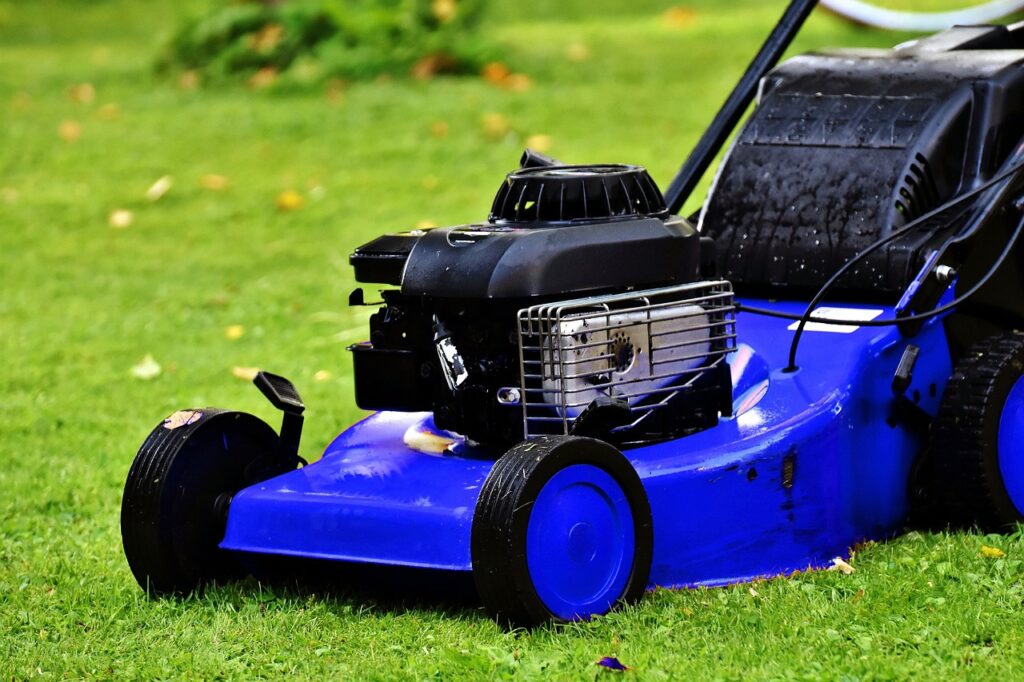
Keeping your yard looking good can feel like a lot of work, right? You see those perfect lawns and gardens in magazines and wonder how they do it. Well, it’s not magic, it’s just knowing the basics of landscaping maintenance. This guide is here to break it all down, making it easier to understand what needs to be done and when. We’ll cover everything from watering your plants correctly to picking the right tools, so you can get your outdoor space looking its best without all the confusion.
Key Takeaways
- Regular landscaping maintenance basics boost your home’s look and value, and it’s good for the environment too.
- Taking care of your lawn, choosing the right plants, and managing water are the main parts of keeping your yard nice.
- Different seasons mean different jobs for your yard, like getting it ready for spring planting or protecting it in winter.
- Having the right tools and knowing how to use them makes landscaping maintenance easier and better.
- Watch out for common mistakes like watering too much or picking plants that won’t do well in your area.
Understanding the Importance of Landscaping Maintenance Basics
Defining Landscape Maintenance and Its Core Purpose
Think of landscape maintenance as the ongoing care and attention your outdoor spaces need to stay healthy and look good. It’s more than just mowing the lawn or pulling a few weeds. It’s a systematic approach to managing your yard, garden, and other exterior areas.
The main goal is to keep everything looking its best while also making sure it functions well and contributes positively to the environment. This involves regular tasks like watering, feeding plants, trimming, and keeping an eye out for any problems.
The Impact on Property Value and Curb Appeal
Your landscape is often the first thing people see when they look at your home. A well-maintained yard can make a big difference in how attractive your property appears. This is often called "curb appeal."
Properties with good curb appeal tend to be more desirable. This can translate directly into higher property values. When potential buyers see a neat lawn, healthy plants, and tidy walkways, they get a positive impression. It suggests the property has been well cared for overall.
Here’s a simple look at how maintenance affects value:
| Aspect of Maintenance | Impact on Property |
|---|---|
| Lawn Health | Increases perceived value and attractiveness. |
| Plant Care | Adds to aesthetic appeal and suggests a well-managed property. |
| Tidiness (Weeds, Debris) | Prevents a neglected look that lowers value. |
| Walkways/Paths | Ensures safe and inviting access, improving first impressions. |
Environmental Benefits of Thoughtful Upkeep
Taking care of your landscape isn’t just about looks; it’s good for the planet too. Proper maintenance helps create outdoor spaces that work better with nature.
For example, managing water use wisely through smart irrigation means less wasted water. Healthy soil absorbs water better, reducing runoff that can carry pollutants into local waterways. Also, choosing the right plants and keeping them healthy can support local wildlife like birds and pollinators.
Here are some ways good maintenance helps the environment:
- Water Conservation: Using only the water plants need prevents waste.
- Soil Health: Keeping soil healthy helps it absorb water and nutrients, reducing erosion.
- Biodiversity: Healthy plants and gardens can provide food and shelter for local insects and animals.
- Reduced Chemical Use: Healthy plants are less prone to pests and diseases, meaning fewer chemicals might be needed.
Taking the time for regular, thoughtful landscape maintenance creates a space that is not only beautiful and valuable but also a healthier part of the local environment. It’s about working with nature, not against it.
Essential Components of Landscaping Maintenance Basics
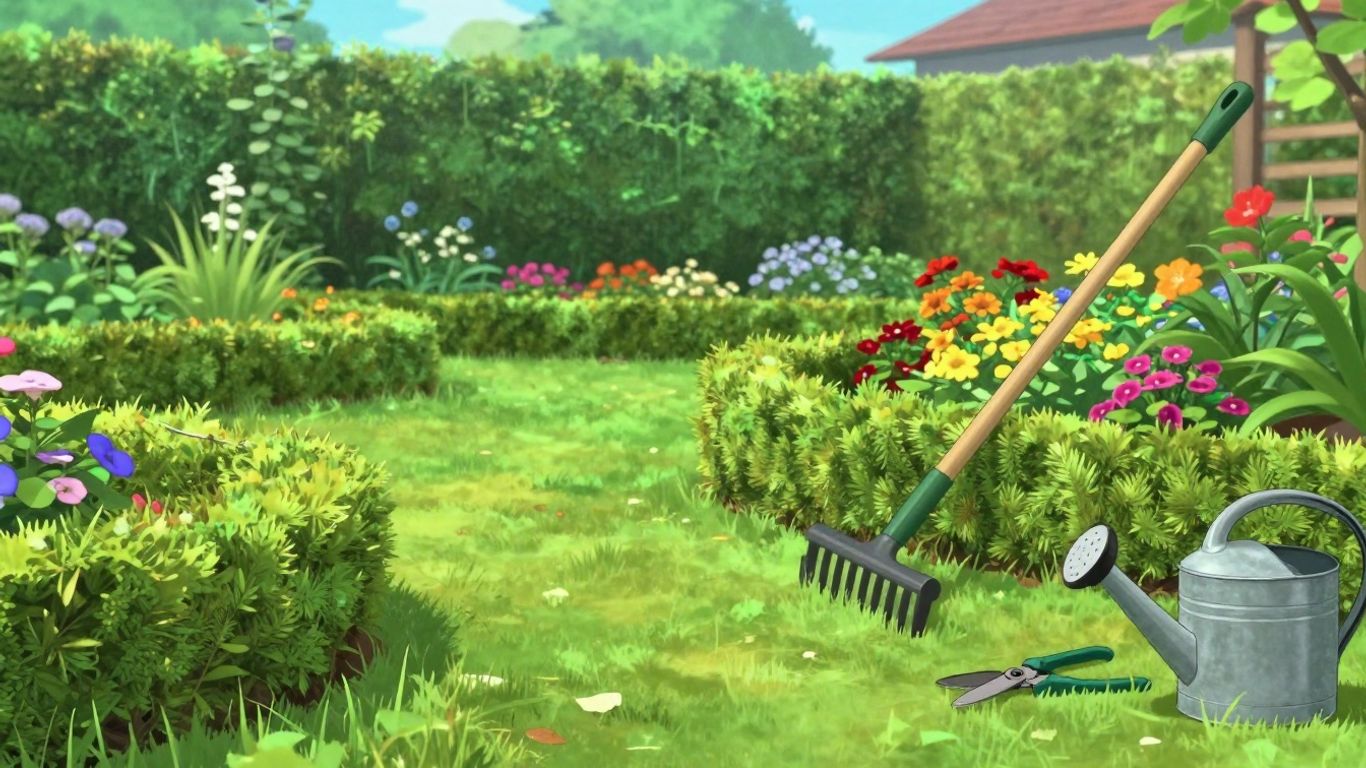
Keeping your outdoor spaces looking good and healthy involves a few key areas. It’s not just about mowing the lawn; it’s a mix of understanding plants, water, and the ground beneath them. Getting these basics right makes a big difference in how your yard looks and how well it grows.
Mastering Basic Lawn Care Principles
Your lawn is often the biggest part of your yard, so taking care of it is a big deal. This means more than just cutting the grass. It involves knowing the right height to cut, when to water, and how to deal with weeds and pests.
- Mowing: Cut your grass to the right height for its type. Taller grass shades the soil, keeping moisture in and stopping weeds. Don’t cut off more than a third of the blade at once.
- Watering: Lawns need about an inch of water per week, usually in one or two deep soakings. Watering in the morning is best to let it dry before nightfall, which helps prevent disease.
- Feeding and Weeding: A healthy lawn can fight off weeds and pests better. Regular feeding with the right fertilizer and addressing weeds when they’re small keeps things in check.
Strategic Plant Selection and Care
Choosing the right plants for your area and giving them what they need is key. Not all plants do well everywhere, and each has its own needs for sun, water, and soil.
- Right Plant, Right Place: Pick plants that naturally grow well in your climate, soil type, and the amount of sunlight your yard gets. This means less work and healthier plants.
- Pruning: Trim trees and shrubs to keep their shape, remove dead branches, and encourage healthy growth. The timing for pruning depends on the plant type.
- Soil Health: Good soil is the foundation for healthy plants. Adding compost and organic matter improves soil structure and provides nutrients.
Effective Irrigation and Water Management
Water is vital, but too much or too little can harm your landscape. Smart watering saves water and keeps your plants happy.
- Know Your Needs: Different plants need different amounts of water. Group plants with similar water needs together.
- Water Deeply, Less Often: Encourage deep root growth by watering thoroughly but not every day. This makes plants more resilient to dry spells.
- Check Your System: If you have an irrigation system, make sure it’s working correctly. Check for leaks and adjust sprinklers so they water plants, not pavement.
Proper landscape maintenance is about creating a balanced ecosystem. It’s a continuous process of observation and adjustment, ensuring your outdoor space thrives season after season. Paying attention to the details now saves a lot of trouble later on. This approach helps your landscape look its best while also being good for the environment.
Seasonal Strategies for Landscaping Maintenance Basics
Your landscape is a living thing, and like any living thing, it needs different kinds of care depending on the time of year. Thinking about your yard’s needs season by season helps keep it looking good and staying healthy without a lot of last-minute panic. It’s all about being proactive.
Spring Preparation and Planting
Spring is when everything wakes up, and your yard needs a good shake-off after winter. It’s the perfect time to get things ready for the growing season. Start by cleaning up any dead leaves or debris that might have settled in over the colder months. Pruning is also a big one – trim back any branches that look damaged from frost or wind. It’s also a good idea to give your tools a good clean and maybe even sterilize them, especially if you used them on any diseased plants last year. This helps prevent spreading problems.
- Soil Check: Test your soil to see what nutrients it’s lacking. This helps you know what to add.
- Perennial Power: If your perennials are looking a bit crowded, now’s the time to divide them. This gives them more room to grow and makes your garden look fuller.
- Mulch Magic: Add a fresh layer of mulch around your trees and plants. It helps keep moisture in and weeds down.
- Early Feeding: Consider a light feeding for your lawn and plants to give them a boost as they start growing.
Getting your garden ready for spring by removing dead plant material, pruning broken branches, and cleaning your tools is a solid start. Dividing plants that have grown too big and checking your soil’s nutrient levels are also key steps. Planning what you’ll plant and where can help make sure your garden thrives all season long.
For a head start on preparing your garden, check out these tips on spring garden prep.
Summer Care and Heat Management
Summer brings warmth and growth, but also challenges like heat, pests, and the need for more water. Keeping an eye on your plants and lawn is important now. Watering is probably the biggest task. You want to water deeply but less often, so the roots grow deeper. Early morning is usually the best time to water, so the plants can soak it up before the heat of the day.
- Water Wisely: Adjust your watering schedule based on the weather. If it’s been dry, you’ll need to water more. If it’s been rainy, ease up.
- Pest Patrol: Keep an eye out for any signs of bugs or diseases. Catching them early makes them much easier to deal with.
- Mow Smart: Mow your lawn at the right height. Taller grass can help shade the soil and keep it cooler.
- Heat Stress: Watch for plants that look wilted or stressed from the heat. Sometimes moving potted plants to a shadier spot or providing temporary shade can help.
Fall Preparations for Winter
As the leaves start to change, it’s time to get your landscape ready for the colder months. Fall is a busy season for maintenance. It’s a great time to aerate your lawn, which helps air, water, and nutrients get down to the roots. Overseeding can fill in any bare spots and make your lawn thicker for next year. Pruning perennials after they’ve finished blooming can also help them store energy for winter.
- Lawn Love: Aerate and overseed your lawn to improve its health and density.
- Planting Time: Fall is an excellent time to plant many trees, shrubs, and bulbs that will establish roots over winter and be ready to go in spring.
- Clean Up: Continue to clear fallen leaves and debris. Letting too much build up can smother grass and create a damp environment for diseases.
- Soil Improvement: Add compost or other organic matter to your garden beds. This enriches the soil over winter.
Winter Protection and Planning
Winter might seem like a quiet time for your landscape, but there are still things to do. The main focus is protecting your plants from harsh weather and planning for the next year. Sensitive plants might need extra covering, like burlap wraps or mulch piled around their base. Make sure any irrigation systems are properly drained and shut off to prevent freezing and damage.
- Plant Shielding: Use mulch, burlap, or frost cloths to protect tender plants from freezing temperatures and wind.
- Drainage Duty: Check that your yard’s drainage systems are clear and working. Standing water can freeze and damage plants or hardscapes.
- Tool Care: Clean and store your tools properly. Sharpen blades and oil metal parts to prevent rust.
- Future Vision: Use this quieter time to review what worked well last year and plan any changes or new additions for the spring. Look through seed catalogs and garden design ideas.
Thinking ahead with these seasonal tasks helps your landscape stay healthy and beautiful all year long, making your outdoor space a place you can truly enjoy.
Tools and Techniques for Quality Landscaping Maintenance
Having the right tools and knowing how to use them makes all the difference when it comes to keeping your yard looking its best. It’s not just about having stuff; it’s about understanding what each tool does and when to use it. Think of it like cooking – you wouldn’t use a whisk to chop onions, right? The same goes for your lawn and garden.
Essential Cutting and Ground Management Tools
When we talk about cutting tools, most people think of lawnmowers, and yeah, those are important. But there’s more to it. You’ve got your basic mower for the lawn, but then you need things like string trimmers for edges and around obstacles, and hedge trimmers for shaping bushes. For smaller jobs or more delicate plants, good old-fashioned pruning shears are a must. Don’t forget about ground management, either. Tools like rakes are for gathering leaves, but aerators help your lawn breathe by poking holes in the soil. Spreaders are handy for evenly distributing fertilizer or grass seed.
Here’s a quick rundown of some key tools:
- Lawnmowers: For keeping your grass at the right height.
- String Trimmers: Great for tidying up edges and hard-to-reach spots.
- Pruning Shears: For precise cuts on smaller branches and plants.
- Rakes: For clearing debris and leveling soil.
- Aerators: To improve soil health and water penetration for your lawn.
Precision Equipment for Optimal Results
Beyond the basics, there’s equipment that helps you get more precise results. This is where things get a bit more serious. Think about things like soil testing kits. You can’t just guess what your soil needs; testing tells you if it’s lacking nutrients or if the pH is off. Moisture meters are also super helpful, especially if you’re not sure if your plants are getting too much or too little water. And of course, safety gear – gloves, eye protection, sturdy shoes – is non-negotiable. You want to work smart, not get hurt.
Understanding Proper Technique Application
Knowing how to use your tools is one thing, but using them correctly is another. For example, mowing your lawn at the right height is key. Cutting it too short stresses the grass, making it prone to weeds and disease. Similarly, when you prune, you need to know where to make the cut on a branch for the plant to heal properly and grow well. It’s about understanding the plant and the soil, not just the tool. This kind of knowledge helps prevent problems before they even start, saving you time and effort down the road. It’s a bit like how professional landscapers approach their work, paying attention to the details that make a big difference.
Proper technique isn’t just about making things look good; it’s about promoting the long-term health of your landscape. Small, consistent efforts using the right methods yield better results than occasional, intensive work.
Seasonal adjustments are also part of good technique. What works in the spring might not be best in the heat of summer. Being aware of these changes and adapting your approach is what separates basic upkeep from quality maintenance. It’s a continuous learning process, but the payoff is a yard that looks great and stays healthy year after year.
Addressing Common Pitfalls in Landscaping Maintenance
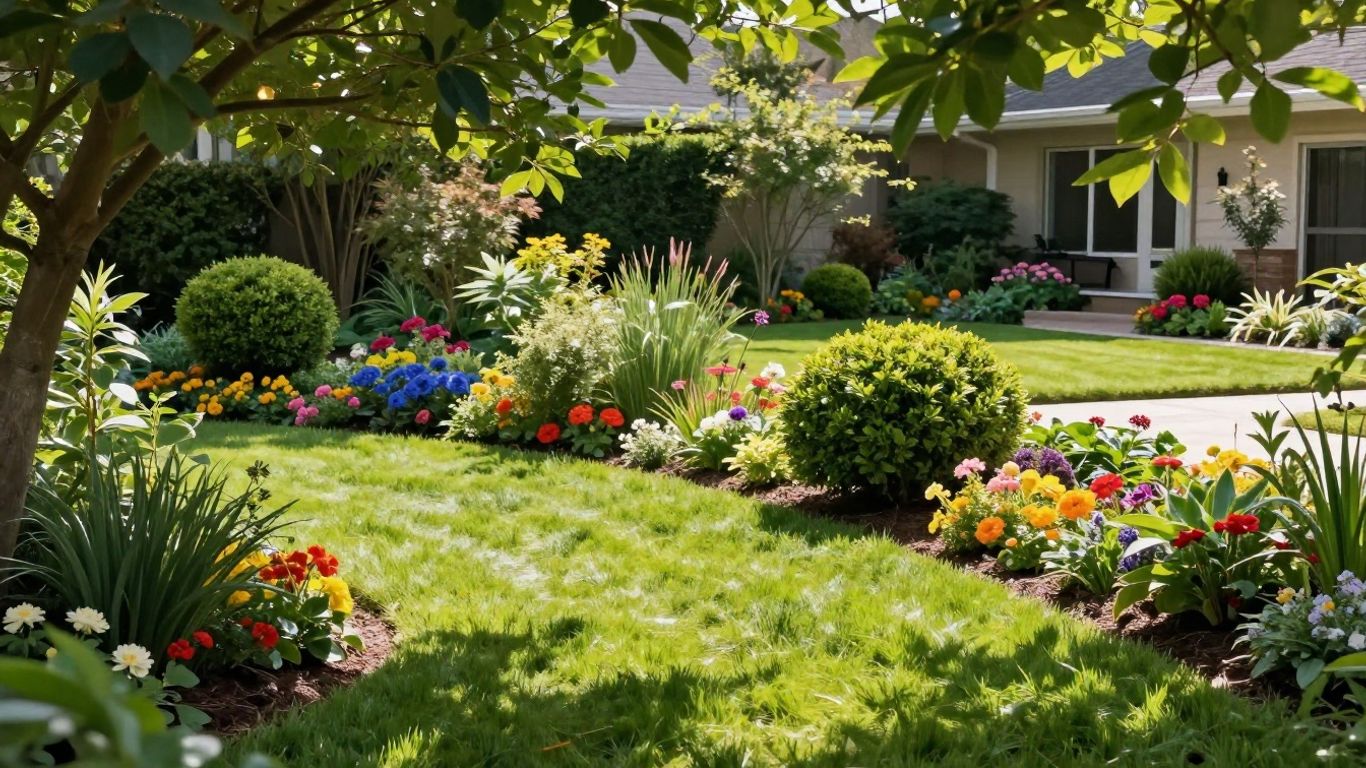
Even with the best intentions, it’s easy to stumble when it comes to keeping your landscape looking its best. Many common issues pop up because we either don’t know better or we fall into habits that aren’t quite right for our plants and soil. Let’s talk about some of the most frequent mistakes and how to steer clear of them.
Avoiding Watering Mistakes
Water is life, but too much or too little can be a real problem for your plants. Overwatering is a big one – it can lead to root rot and fungal diseases, basically drowning your plants. On the flip side, not watering enough, especially during dry spells, will stress them out, making them weak and susceptible to pests.
- Don’t water on a strict schedule: Instead, check the soil moisture. Stick your finger about an inch or two into the ground. If it feels dry, it’s time to water. If it’s damp, hold off.
- Water deeply, but less often: This encourages roots to grow deeper, making plants more resilient. Shallow, frequent watering keeps roots near the surface where they can dry out quickly.
- Avoid watering in the heat of the day: Most of the water will just evaporate before it can reach the roots. Early morning is usually the best time.
Many landscape problems start with how we water. It’s not just about giving plants a drink; it’s about giving them the right amount of water at the right time, and making sure the water actually gets to where it’s needed – the roots.
Preventing Plant Selection Errors
Picking the wrong plants for your yard is like trying to fit a square peg in a round hole. If a plant isn’t suited to your climate, soil type, or the amount of sunlight it will get, it’s going to struggle. This often means more work for you trying to keep it alive and healthy, and it might never look as good as it could.
- Know your zone: Understand your USDA Plant Hardiness Zone to choose plants that can survive your local winters and summers.
- Consider the conditions: Think about how much sun an area gets, how wet or dry the soil is, and how much space the plant will need when it’s fully grown.
- Go native when possible: Native plants are already adapted to your local environment, meaning they generally require less water, fertilizer, and pest control.
Mitigating Soil and Maintenance Neglect
Soil is the foundation of your landscape, and neglecting it is a recipe for disaster. Compacted soil, poor drainage, or a lack of nutrients will affect everything growing in it. Similarly, skipping regular maintenance tasks like weeding, pruning, or checking for pests can let small problems snowball into big ones.
- Test your soil: Knowing your soil’s pH and nutrient levels helps you amend it correctly.
- Mulch wisely: A layer of mulch helps retain moisture, suppress weeds, and regulate soil temperature. Just don’t pile it up against plant stems.
- Stay on top of weeds: Weeds compete with your desired plants for water, nutrients, and light. Removing them regularly prevents them from taking over.
| Common Pitfall | Consequence |
|---|---|
| Overwatering | Root rot, fungal diseases, plant death |
| Planting in wrong sunlight | Stunted growth, leaf scorch, poor flowering |
| Neglecting soil drainage | Waterlogged roots, plant stress, disease |
| Skipping regular weeding | Increased competition for resources, spread |
Cost Factors and Service Options for Landscaping Maintenance
So, you’ve got a handle on the basics of keeping your yard looking good, but what about the money side of things? Landscaping maintenance isn’t a one-size-fits-all deal when it comes to cost. It really depends on a few things, and knowing them can help you figure out what works best for your budget and your yard.
Understanding Property Size and Complexity
First off, how big is your yard? A tiny city patio garden is going to cost a lot less to maintain than a sprawling estate with acres of lawn and mature trees. It’s pretty straightforward: more area means more work, and more work usually means more money. But it’s not just about the square footage. The complexity of your landscape plays a big role too. Do you have lots of flower beds that need constant attention? Steep slopes that are tricky to mow? Maybe a water feature or a complex irrigation system? All these details add to the time and skill needed, which naturally affects the price.
Here’s a general idea of how property size can influence costs:
| Property Size |
|---|
| Small yards (< 1,000 sq ft) |
| Medium residential lots |
| Large properties/estates |
Evaluating Service Frequency and Packages
Next, think about how often you want or need someone to come out. Are you looking for a full-service plan where a crew visits weekly or bi-weekly to keep everything in tip-top shape? Or maybe you just need help with seasonal cleanups in the spring and fall? Some people opt for monthly check-ins, while others prefer quarterly visits. The more frequent the service, the higher the overall cost, but it also means your yard stays consistently well-maintained. Many companies offer different packages, so you can often find something that fits your needs and your wallet. It’s worth looking into lawn care services to see what’s out there.
Balancing DIY Efforts with Professional Services
This is where you get to be strategic. You don’t have to do everything yourself, nor do you have to hire professionals for every single task. Maybe you love mowing the lawn but dread dealing with pruning the hedges. Or perhaps you’re great at planting flowers but struggle with irrigation system upkeep. You can mix and match! Hiring a pro for the more technical or time-consuming jobs, like tree trimming or seasonal fertilizing, while handling the day-to-day tasks yourself can be a smart way to save money. It’s all about identifying what you can realistically handle and where you need a helping hand to keep your landscape looking its best.
The key to managing landscape maintenance costs is understanding your specific needs and finding a balance between professional services and DIY approaches. Some homeowners opt for comprehensive annual packages, while others prefer à la carte services tailored to seasonal requirements. Factors like local climate, plant selection, and property characteristics will ultimately determine the most cost-effective maintenance strategy.
When you’re figuring out costs, remember that investing in good maintenance now can save you money down the road by preventing bigger problems. It’s about keeping your outdoor space healthy and beautiful for years to come.
Wrapping Up Your Landscaping Journey
So, we’ve covered a lot of ground, haven’t we? From understanding why your yard matters more than just looking pretty, to figuring out what tools to use and when. It might seem like a lot at first, but remember, it’s all about taking it step by step. Think of it like learning to cook – you start with simple recipes, and before you know it, you’re whipping up a feast. Your landscape is no different. By paying attention to the seasons, giving your plants what they need, and not being afraid to get your hands a little dirty, you’ll start to see a real difference. And hey, if it ever feels like too much, there are always pros who can lend a hand. But for now, take what you’ve learned and put it to good use. Your yard will thank you for it.
Frequently Asked Questions
What exactly is landscape maintenance?
Landscape maintenance is basically taking care of your yard and outdoor areas. It’s all about keeping things like your lawn, plants, and garden looking good and staying healthy. Think of it as giving your outdoor space the regular attention it needs to thrive.
Why is keeping up with my yard so important?
Taking care of your yard does more than just make it look nice. A well-maintained yard can actually make your home worth more money and make it look more attractive to people. Plus, healthy yards are better for the environment because they help with water use and support local nature.
What are the main things I should focus on for basic yard care?
The key things are taking care of your lawn, picking the right plants for your area, and making sure your plants get enough water. This includes mowing your grass correctly, watering your plants the right amount, and choosing plants that will do well in your specific climate.
How does the season affect how I should care for my yard?
Each season has different needs. In spring, you’ll want to prepare the soil and plant new things. Summer is for extra watering and keeping things cool for plants. Fall is about getting ready for winter, and winter is for protecting plants and planning for the next year.
What are some common mistakes people make when caring for their yards?
A big mistake is watering too much or not enough, or watering at the wrong time of day. Another common error is picking plants that aren’t suited for your local weather or soil. Not paying attention to your soil’s health is also a problem.
Should I do all my yard work myself, or hire someone?
It’s a mix! You can handle many basic tasks yourself, like mowing and watering. But if your yard is large, complex, or you’re short on time, hiring professionals can be a good idea. They have the tools and knowledge for bigger jobs and can help keep your yard looking its best without you having to do all the heavy lifting.