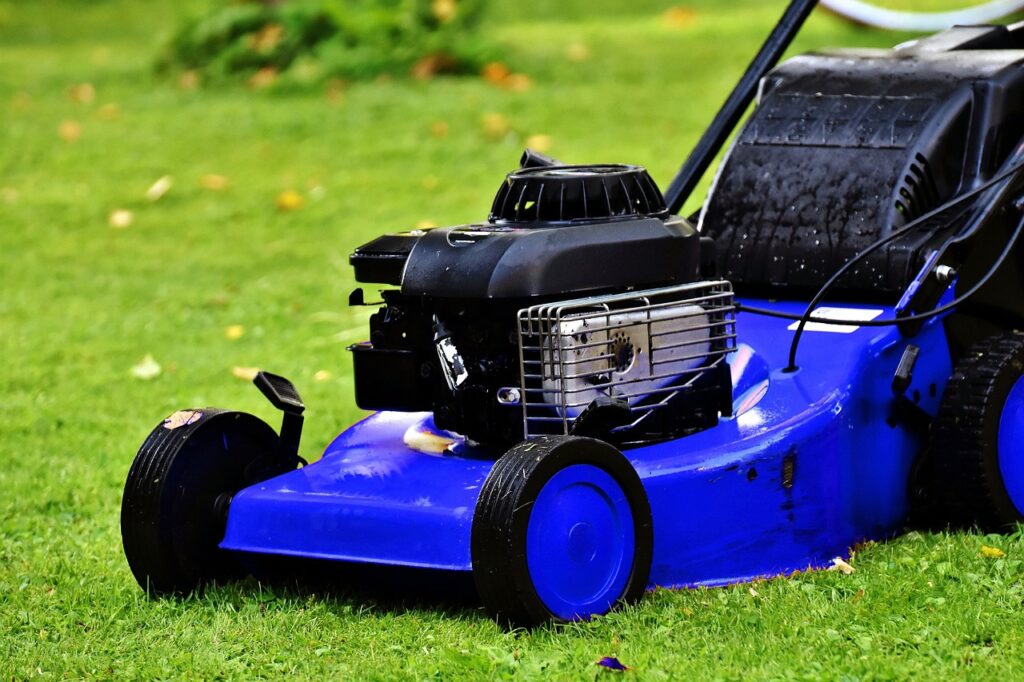
Even when the temperatures drop in North Carolina, your lawn still needs a drink now and then. It might seem strange to think about watering your grass when it’s cold out, but winter lawn watering North Carolina style isn’t entirely off the table. Dry spells can happen, and if your lawn doesn’t get enough moisture, it can get damaged. We’ll go over why it’s important, when to do it, and how much water your grass might need during the cooler months.
Key Takeaways
- Winter lawns in North Carolina can still dry out, especially during dry spells, leading to damage called desiccation.
- Don’t water on a strict schedule; instead, check your soil and watch for signs like wilting grass or soil cracks.
- Water deeply but less often. Aim to moisten the soil several inches down to help roots stay healthy.
- The best time to water is early in the morning to reduce evaporation and give the grass time to dry before nightfall.
- Factors like your specific climate within North Carolina, the type of soil you have, and the kind of grass all affect how and when you should water.
Understanding Winter Lawn Watering Needs in North Carolina
Why Winter Watering is Still Important
Lots of us think that once the temperatures drop and the leaves are gone, our lawns can just fend for themselves. But here in North Carolina, that’s not quite the case. Even though your grass isn’t growing much, it still needs a drink now and then, especially during those dry spells that can pop up even in winter. If things get too dry, your lawn can suffer from something called desiccation. Basically, the grass loses moisture faster than it can get it back, making it brittle and weak. We saw this happen quite a bit a few winters ago, with dry air and windy days really taking a toll. Keeping the soil from drying out completely is key to preventing this damage.
Recognizing Signs Your Lawn Needs Moisture
Your lawn is pretty good at telling you when it’s thirsty. You just have to know what to look for. Keep an eye out for these clues:
- Soil Cracks: You might see small cracks appearing in the soil, especially in bare spots.
- Wilting or Curling Blades: Individual blades of grass might start to curl or look droopy.
- Color Change: The green might fade a bit, looking more dull or even a bluish-green.
- Footprints Linger: If you walk across the lawn and your footprints stay there for a while instead of bouncing back, that’s a sign.
If you start noticing these things, it’s a good signal to check the soil moisture. It’s much easier to fix a thirsty lawn than one that’s severely damaged.
The Risk of Desiccation During Dry Spells
Dry spells in winter can be sneaky. We might not have freezing temperatures, but the combination of low humidity and wind can pull moisture right out of your lawn. This is desiccation, and it can really weaken your grass going into spring. It’s not about keeping the grass lush and green like in summer; it’s about keeping the roots alive and healthy. Think of it like giving your lawn a little sip to keep it from completely drying out, so it’s ready to bounce back when the weather warms up.
When to Water Your Lawn During Cooler Months
So, the leaves have fallen, and the air’s got that crisp chill. You might be thinking, “My lawn’s basically asleep, why water it?” Well, even though your grass isn’t exactly growing like a weed, it still needs a drink now and then, especially here in North Carolina. The real trick is figuring out when to turn on the sprinklers, and it’s not about sticking to a rigid schedule.
Adjusting Based on Rainfall
This is probably the biggest factor. If Mother Nature is doing her job and you’re getting a decent amount of rain, you’re likely in the clear. Don’t water just because it’s Tuesday; water because the ground is actually dry. A good rule of thumb is to check if you’ve had less than an inch of precipitation over a few weeks. If it’s been dry for a while, that’s your cue to consider watering.
Monitoring Soil Moisture Levels
This is where you become a bit of a lawn detective. You can’t just guess. One easy way to check is to walk on your lawn. If your footprints stay pressed down, the soil is probably dry and could use some water. If the grass springs back up quickly, it’s likely still got enough moisture. For a more precise check, a simple soil moisture meter can be a lifesaver. You just stick it in the ground, and it gives you a reading. It takes the guesswork out of it and helps prevent overwatering, which can cause problems like runoff and disease.
Avoiding a Strict Watering Schedule
Seriously, forget about watering every Saturday morning. Your lawn’s needs change daily based on the weather. A sunny, windy day will dry things out faster than a cool, cloudy one. Instead of a schedule, think about conditions. If you’ve had a dry spell lasting a couple of weeks and you’re seeing signs like the soil cracking or the grass looking a bit dull and brittle, it’s time to water. But if it’s been consistently damp or rainy, hold off. This flexible approach is key to keeping your lawn healthy without wasting water. It’s all about responding to what your lawn is actually telling you, not just following a calendar. This kind of seasonal adjustment is important for North Carolina’s climate.
Winter watering isn’t about keeping the grass green and growing; it’s about preventing desiccation. Think of it as giving your lawn a drink to keep it from drying out completely during dry spells, which can happen even when it’s cold.
How Much Water Your North Carolina Lawn Needs in Winter
So, how much water are we actually talking about when it comes to keeping our North Carolina lawns happy in the cooler months? It’s definitely less than in the summer, but still important. The goal here isn’t to keep the grass growing like crazy, but to make sure the soil stays moist enough so the roots don’t dry out.
Deep Watering for Root Health
When you do water, think ‘deep soak’ rather than a quick sprinkle. This means letting the water penetrate down into the soil, encouraging those grass roots to grow deeper. Deeper roots are tougher roots, better able to handle dry spells and cold weather. It’s like giving your lawn a good drink that lasts.
Understanding Soil Type’s Role
Your soil is a big player in how much water your lawn needs. If you have clay soil, which is pretty common around here, it holds onto water for a good while. You won’t need to water as often. On the flip side, sandy soil drains much faster, so it might need a bit more attention during dry periods. A simple way to check is to try pushing a screwdriver into the ground; if it goes in easily, the soil is likely moist enough. If it’s tough to push, it’s probably time to water.
Measuring Water Application Accurately
Getting the amount right is key. You don’t want to drown your lawn, but you also don’t want it to be bone dry. A good rule of thumb for winter watering, when you do need to water, is to aim for about half an inch to an inch of water. This might mean running your sprinklers for a specific amount of time. You can figure this out by placing a few empty cans or containers around your yard while the sprinklers are on. Time how long it takes to collect about half an inch of water in those cans. This will give you a good idea of how long to run your system for a proper watering session. Remember, it’s better to water less often but more deeply. For lawns in North Carolina, watering every 10 to 14 days during the fall is a good starting point, and you’ll adjust from there based on actual weather conditions. Fall lawn care advice can help you fine-tune this.
The main idea is to keep the soil from drying out completely. We’re not trying to make the grass grow, just keeping it alive and healthy underground for the spring.
Here’s a quick rundown:
- Clay Soil: Holds water longer, needs less frequent watering.
- Sandy Soil: Drains faster, may need more frequent watering.
- Check Soil Moisture: Use a screwdriver test or rain gauges to gauge how wet the soil is.
- Water Deeply: When you water, aim for a good soak that reaches the roots.
Best Practices for Winter Lawn Watering
When it comes to keeping your North Carolina lawn happy through the cooler months, a little bit of thought goes a long way. It’s not just about turning on the sprinklers; it’s about being smart with your watering. The goal is to keep the soil consistently moist, but not soggy. This helps prevent desiccation, which is basically when your grass dries out faster than it can get water from the soil, especially during dry, windy spells.
The Ideal Time of Day to Water
Timing is pretty important, even when it’s chilly. You want to water when the sun isn’t beating down, which helps cut down on evaporation. Early morning is usually the sweet spot. This gives the grass blades time to dry off before nightfall, which is good because wet grass overnight can encourage fungal issues. Watering in the late afternoon can work, but make sure it’s early enough that the grass isn’t sitting wet all night.
Focusing on Deep Soaking
Instead of a quick sprinkle every few days, aim for deeper watering sessions. This encourages your grass roots to grow deeper into the soil, making them more resilient. Think about giving the soil about 4-6 inches of moisture. A good way to check if you’ve watered enough is to use some old cans or containers on the lawn. When they collect about an inch of water, you’ve likely hit the right depth. You can then time how long that took and use that as a guide for future watering. This approach helps build a stronger root system, which is beneficial year-round, not just in winter. It’s a key part of avoiding common lawn care mistakes.
Seasonal Adjustments for Optimal Health
Your lawn’s needs change, and your watering should too. Don’t just stick to a rigid schedule. Pay attention to the weather. If you’ve had a good amount of rain, you probably don’t need to water at all. But if it’s been dry for a couple of weeks, it’s time to step in. You can check the soil moisture by sticking a screwdriver or a long probe into the ground. If it goes in easily, there’s likely enough moisture. If it’s tough to push in, it’s probably time to water. Adjusting your watering based on actual conditions, rather than a calendar, is the best way to keep your lawn healthy and conserve water.
Factors Influencing Winter Watering Decisions
When it comes to watering your lawn in North Carolina during the cooler months, it’s not a one-size-fits-all situation. Several things play a role in deciding if, when, and how much you should water. Thinking about these factors helps you keep your grass healthy without wasting water.
Considering Your Specific Climate
North Carolina’s weather can be a bit of a mixed bag, even in winter. Some years, we might get plenty of rain and even some snow, while other winters can be surprisingly dry with persistent winds. Pay attention to the forecast and what’s actually happening outside. If you’re experiencing a dry spell with low humidity and strong winds, your lawn can lose moisture quickly, even if it’s cold. This is when watering becomes important to prevent desiccation, which is basically when the grass dries out faster than it can take up water. It’s a good idea to check resources from NC State Extension for local climate insights.
How Soil Type Affects Water Retention
The kind of soil you have in your yard makes a big difference in how it holds onto water. Sandy soils tend to drain very quickly, meaning they might dry out faster and need more frequent watering, even in winter. On the other hand, clay soils hold onto moisture much longer. If you have clay soil, you’ll likely need to water less often. A simple way to get a feel for your soil is the screwdriver test: if you can easily push a screwdriver into the ground, it’s likely moist enough. If it’s tough going, your soil might be too dry. Improving your soil with organic matter can help with water retention over time.
Understanding Your Grass Type’s Needs
Different types of grass have different needs, especially when it comes to water. Cool-season grasses, like tall fescue, are generally more resilient to dry spells because they have deeper root systems. Warm-season grasses, such as Bermuda or Zoysia, are also known for their drought tolerance. However, even drought-tolerant grasses can suffer if a dry spell is prolonged. Knowing what kind of grass you have helps you anticipate its needs. For instance, if you have a lawn that goes dormant in dry conditions, you might not need to water as much unless you want to keep it green. Healthy root systems are key, and deep watering encourages stronger roots.
Here’s a quick rundown:
- Cool-season grasses: May need occasional watering during dry winter spells.
- Warm-season grasses: Generally more drought-tolerant, but still monitor during extended dry periods.
- General rule: Always check soil moisture before watering, regardless of grass type.
Winter watering is about balance. You’re not trying to keep the grass growing, but rather ensuring the roots have enough moisture to survive until spring. Too much water can be just as bad as too little, especially if it leads to disease in cold weather.
Wrapping It Up: Your North Carolina Lawn’s Winter Needs
So, there you have it! Keeping your North Carolina lawn happy through the cooler months isn’t as complicated as it might seem. Remember, even when things look dormant, your grass still needs a little drink now and then, especially if it’s been dry. Just watch out for those signs your lawn is thirsty, like curling blades or soil that cracks. A little bit of water, when it’s truly needed, goes a long way in preventing damage. Don’t overdo it, though – soggy soil is no good either! By paying attention to your lawn and the weather, you’ll set yourself up for a beautiful, green yard come springtime. Happy watering!
Frequently Asked Questions
Do I really need to water my lawn in North Carolina during winter?
Yes, even when it’s cold, your lawn can get thirsty. Grass slows down but still needs water. If it’s really dry, the grass can lose water faster than it can get it, which is called desiccation. This can make the grass brittle and damaged, especially during dry spells with low humidity and wind.
How can I tell if my lawn needs water in the winter?
Look for signs like cracks forming in the soil, grass blades starting to wilt or curl, or the lawn losing its bright green color and looking dull. Another easy trick is to step on the grass; if your footprints stay there and the grass doesn’t bounce back, it’s probably thirsty.
How often should I water my lawn in the winter?
Forget about a strict schedule! Winter watering is much less frequent than in summer. It’s best to water only when the soil feels dry or when you see those signs of thirst we talked about. If it rains enough, you might not need to water at all.
How much water should I give my lawn in winter?
When you do water, aim for deep watering. This means giving the soil enough water to soak down deep, usually about 4-6 inches. This helps the roots stay healthy. For clay soils, about 1 inch of water is often enough, while sandy soils might need a bit less, around half an inch, because they drain faster.
When is the best time of day to water my lawn in winter?
It’s best to water in the early morning, ideally before 10 AM. This way, the water has time to soak into the ground before the sun gets too strong and causes it to evaporate. Watering too late in the evening can leave the grass wet overnight, which might encourage diseases.
What happens if I water my lawn too much in the winter?
Overwatering can be a problem even in cooler months. It can make the soil too soggy, which isn’t good for the roots and can lead to fungal diseases. It also wastes water and can wash away important nutrients from the soil.