
Keeping your lawn looking its best isn’t just about the mower you use; it’s also about knowing how often to mow your lawn. It might seem simple, but mowing too much or not enough can really mess with your grass. We’ll break down what your lawn needs throughout the year so you can get that perfect green look without all the guesswork.
Key Takeaways
- Mowing frequency depends on your grass type, the season, and the weather. There’s no one-size-fits-all answer to how often to mow your lawn.
- Always follow the one-third rule: never cut more than one-third of the grass blade length at a time to avoid stressing your lawn.
- Sharp mower blades make clean cuts, which helps prevent disease and keeps your grass looking healthy.
- Adjust your mowing schedule based on seasonal growth. Expect to mow more often in spring and summer and less in fall and winter.
- Mowing dry grass is best to prevent clumping and disease spread. If it’s too wet, wait until it dries out.
Understanding Your Lawn’s Unique Needs
So, you want a lawn that looks good, right? Well, it’s not just about grabbing the mower and going to town. Every lawn is different, kind of like people. Some are tough and can handle a lot, while others are a bit more delicate. To get it looking its best, you’ve got to figure out what your specific patch of green actually needs. It all starts with knowing a few key things about your grass and how it’s doing.
Identifying Your Grass Type
First off, what kind of grass are you even growing? This is a big deal because different grasses have different personalities. Some, like Kentucky Bluegrass or Fescue, do well in cooler weather, while others, like Bermuda grass, love the heat. Knowing your grass type helps you figure out how tall to cut it, how much water it needs, and when it’s really growing. You can usually tell by looking at the blades – are they wide or narrow? Do they have a funny ridge down the middle? Sometimes, you might even have a mix of grasses, which is pretty common.
- Cool-Season Grasses: These guys are usually greener in the spring and fall and might go a bit dormant in the summer heat. Think Kentucky Bluegrass, Perennial Ryegrass, and Tall Fescue.
- Warm-Season Grasses: These love the summer sun and turn brown when it gets cold. Bermuda grass and Zoysia are good examples.
- Mixed Lawns: Many lawns have a bit of both, especially if they’ve been seeded over time.
If you’re not sure, take a small sample to a local garden center or extension office. They can usually tell you what you’ve got.
Recognizing Optimal Cutting Heights
Once you know your grass type, you need to know how short is too short. Cutting your grass too low, called scalping, is like giving it a really bad haircut. It stresses the plant, makes it harder for it to get sunlight, and opens the door for weeds and diseases. Most experts say you should never cut off more than one-third of the grass blade at a time. For most common lawn grasses, this means keeping the height somewhere between 2.5 and 4 inches. Taller grass actually grows a stronger root system, which is good for the lawn, especially when it’s hot or dry.
Here’s a general guide, but remember to check for your specific grass type:
| Grass Type | Ideal Cutting Height (inches) | Notes |
|---|---|---|
| Kentucky Bluegrass | 2.5 – 3.5 | Can tolerate slightly lower heights. |
| Tall Fescue | 3 – 4 | Benefits from being kept a bit taller. |
| Perennial Ryegrass | 2 – 3 | Can be cut a bit shorter than fescue. |
| Bermuda Grass | 0.5 – 2 | Needs very frequent mowing at low heights. |
Assessing Your Lawn’s Current Health
How does your lawn look right now? Is it thick and green, or is it patchy with bare spots? Are there a lot of weeds popping up? A healthy lawn is usually a good sign that your mowing routine is working. If your lawn looks stressed – maybe it’s yellowing, thin, or has brown patches – it could be a sign that you’re mowing too often, too short, or not at all when it needs it. Pay attention to how the grass bounces back after you mow. If it looks ragged or takes a long time to recover, something might need adjusting. A healthy lawn can better handle the stress of mowing and other environmental factors.
The Crucial Role of Mowing Frequency
When we talk about lawn care, watering and feeding often come to mind first. But how often you mow your grass plays a really big part in how healthy and good-looking your yard is. It’s not just about keeping things tidy; it’s about helping your grass grow strong.
Why How Often to Mow Your Lawn Matters
Mowing regularly encourages your grass to grow thicker. This creates a dense carpet of turf that’s better at fighting off weeds and can handle a bit of stress. Think of it like this: if you let your grass get too long, it might start to look a bit sad, and it becomes an easier target for problems. On the flip side, mowing too much or cutting too short can actually weaken the grass, leading to bare spots and making it more open to diseases and pests. It’s a balancing act.
The Impact of Mowing on Grass Density
Regular mowing is a key factor in developing a thick, lush lawn. When you cut the grass, it signals the plant to grow more blades. This repeated stimulation leads to a denser turf over time. A dense lawn is desirable because it crowds out weeds, preventing them from taking root and competing for resources like water and nutrients. It also helps the soil retain moisture better and can even make your lawn more resilient to foot traffic.
Preventing Stress Through Proper Frequency
One of the most important things to remember is the one-third rule. This means you should never cut off more than one-third of the grass blade’s height in a single mowing session. Cutting too much at once shocks the grass, similar to how a sudden, drastic change can stress a person. This shock diverts the plant’s energy from healthy growth to recovery. Sticking to the one-third rule helps minimize this stress, allowing the grass to maintain its vigor and continue growing strong. It’s a simple practice that makes a big difference in the long run for your lawn’s health.
Here’s a quick look at how different grass types might need different schedules:
- Cool-Season Grasses (like Fescue, Ryegrass, Kentucky Bluegrass): These grow most actively in cooler weather. You might find yourself mowing them every 4-7 days during spring and fall. In summer, growth slows, so you can mow less often.
- Warm-Season Grasses (like Bermuda, Zoysia, Centipede): These love the heat. During their peak growing season in late spring and summer, you might need to mow as often as once or twice a week. Growth slows down considerably when it gets cooler.
Remember, these are just general ideas. Your specific lawn’s needs will change based on the weather and how well it’s doing overall.
Seasonal Adjustments for Mowing Schedules
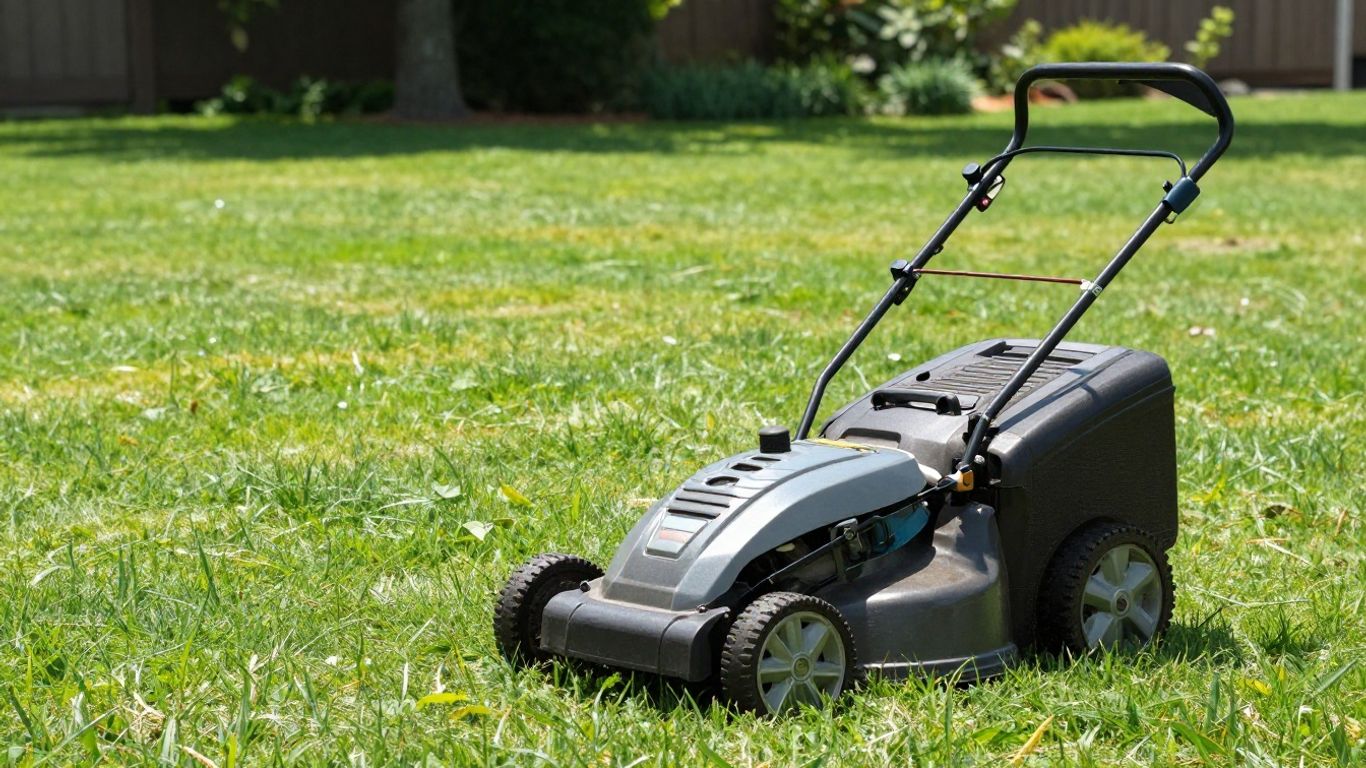
Your lawn doesn’t stay the same all year, and your mowing routine shouldn’t either. Think of it like dressing for the weather – you wouldn’t wear a heavy coat in July, right? Your lawn needs similar adjustments throughout the year to stay healthy and happy.
Spring Growth and Increased Mowing Needs
Spring is when things really start to wake up. After a long winter, your grass is eager to grow. You’ll likely notice it’s growing much faster than before. This means you’ll probably need to mow more often. For cool-season grasses, like fescue or ryegrass, this is their prime growing time. They’ll be shooting up quickly, so be prepared to get the mower out more frequently, maybe even once a week or more, depending on how fast it’s growing.
Summer Care and Adapting Your Mowing
Summer can be a bit of a mixed bag. For cool-season grasses, the intense heat can actually slow down their growth. They might need less mowing, and it’s a good idea to let them grow a little taller. Longer grass blades help shade the soil, keeping the roots cooler and reducing water loss. Warm-season grasses, on the other hand, are usually hitting their stride in the summer. They might need more frequent mowing during this time. Always check your lawn; if it looks stressed or is growing slowly, it’s probably time to back off on the mowing.
Fall Preparations and Winter Mowing
As fall rolls in, grass growth starts to slow down again. You’ll likely find yourself mowing less often. It’s also a good time to gradually lower your mowing height a bit. This helps prevent matted grass and potential issues like snow mold if you live in a colder climate. The last couple of mows of the season are important for setting your lawn up for winter. Don’t let the grass get too long before the first frost. For winter, if grass is dormant, mowing might not be needed at all, but a final trim to about 2 inches can help protect it.
Weather’s Influence on Mowing Frequency
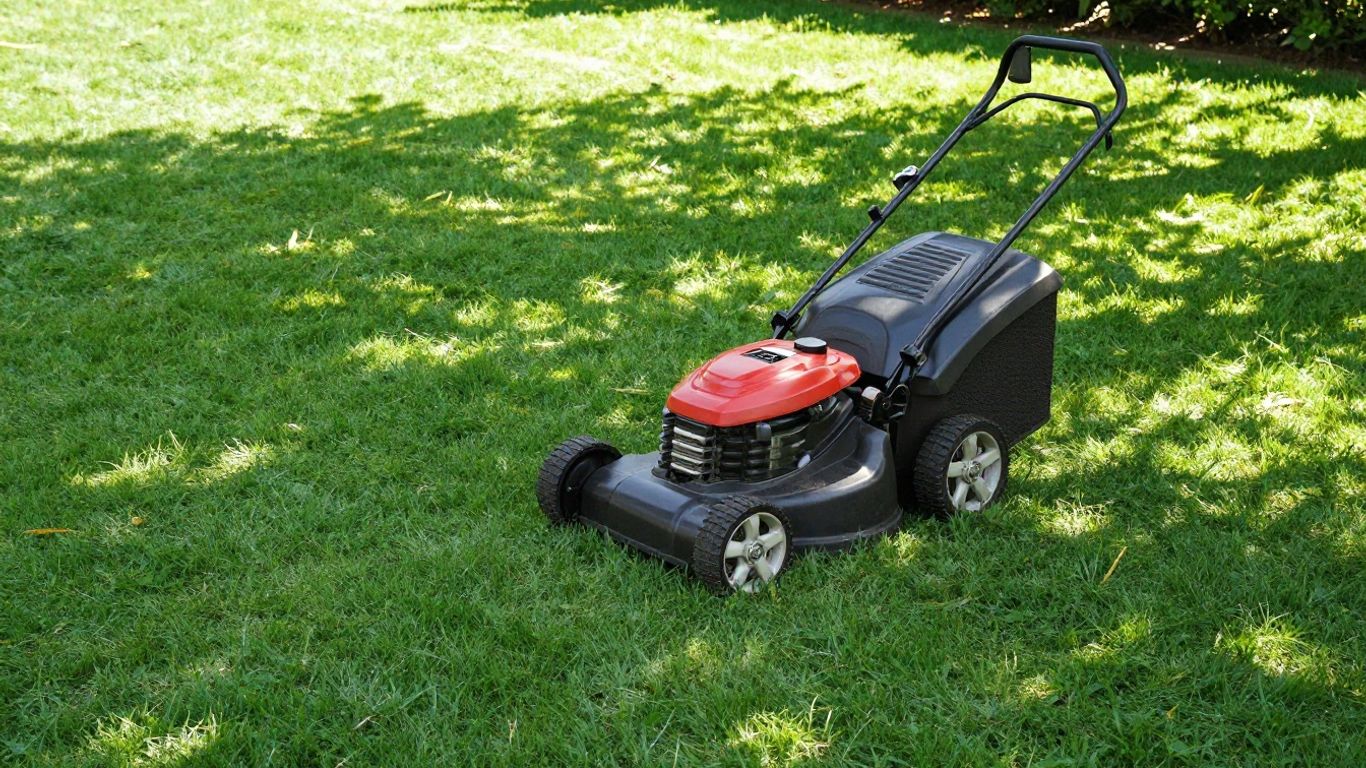
Weather really throws a wrench into any rigid mowing schedule, doesn’t it? One minute it’s dry and the grass is barely growing, the next it’s rained for three days straight and your lawn looks like a jungle. It’s all about adapting.
Rainy Spells and Rapid Growth
When you get a good stretch of rain, especially when it’s warm, your grass goes into overdrive. It’s like a growth spurt for your lawn. You’ll notice it getting taller much faster than usual. This means you’ll probably need to mow more often during these periods. If you don’t keep up, you risk cutting off too much grass at once, which isn’t good for the lawn’s health. It can stress the grass out and make it more prone to problems.
Drought Conditions and Reduced Mowing
On the flip side, when things get dry and hot, grass growth slows way down. It’s trying to conserve water. During these times, you should definitely mow less frequently. Letting the grass grow a little longer can actually help. Longer blades shade the soil, which keeps it from drying out too quickly. This helps the grass hold onto any moisture it has. It’s a simple way to help your lawn cope with the heat and lack of rain.
Mowing Dry vs. Wet Grass
This is a big one. Always try to mow when your grass is dry. Mowing wet grass is a pain. The clippings clump up, making a mess and potentially smothering the grass underneath. It can also spread diseases around your lawn. Plus, wet grass is heavier and can clog up your mower. It’s just better for everyone, including your mower, if you wait for it to dry out. Remember, safety first when operating machinery, especially in less-than-ideal conditions best practices for heavy machinery.
- Rainy spells: Expect to mow more often. Keep an eye on the growth.
- Dry spells: Mow less. Let the grass grow a bit longer.
- Wet grass: Avoid mowing if possible. Wait for it to dry.
Adapting your mowing schedule to the weather isn’t just about looks; it’s about keeping your lawn healthy and strong through different conditions.
Mastering the One-Third Rule
You know, sometimes the simplest advice is the best. And when it comes to mowing your lawn, the "one-third rule" is definitely one of those gems. It’s not complicated, but it makes a huge difference in keeping your grass happy and healthy. Think of it like this: you wouldn’t want to lose a third of your hair all at once, right? Your grass feels pretty much the same way.
What is the One-Third Rule?
Basically, this rule says you should never cut off more than one-third of the grass blade’s total height in a single mowing. So, if your grass is 3 inches tall, you should only cut it down to about 2 inches. This leaves plenty of green leaf surface for the grass to keep doing its important work, like making food through photosynthesis. It’s a pretty straightforward concept, but sticking to it is key for a thriving lawn. It helps avoid that shock to the grass that happens when you take too much off at once. For a good starting point on grass height, aiming for around 3 inches is often a safe bet, especially if you’re new to this. You can always adjust from there based on your specific grass type and how it’s growing.
Why It Prevents Lawn Stress
Cutting too much grass at one time is like giving your lawn a really bad haircut. It stresses the plant out. When you remove too much of the blade, the grass has to work overtime to recover. This can weaken its roots, make it more likely to get sick, and even invite weeds to move in. The one-third rule helps avoid this stress. By taking off just a little bit each time, you allow the grass to adjust gradually. This keeps the root system strong and the grass looking good. It’s all about letting the grass maintain its ability to photosynthesize and stay healthy without a major setback.
Applying the Rule Consistently
So, how do you actually do this? It’s mostly about paying attention to your lawn and your mower. Before you start mowing, take a quick look at how tall the grass is. Then, adjust your mower’s cutting height so that you’re only removing about a third of that length. If your grass grows really fast, you might find yourself mowing more often, but you’ll still be taking off less each time. If you’re not sure about the exact measurement, err on the side of caution and cut less. It’s always better to mow a little more frequently than to cut too much at once. Over time, you’ll get a feel for what works best for your lawn, and it becomes second nature. Remember, consistency is what really makes this rule work wonders for your lawn’s overall health.
Beyond Frequency: Other Mowing Best Practices
So, we’ve talked a lot about how often to mow, but that’s only part of the story. What you do while you’re mowing makes a big difference too. It’s like cooking – the ingredients are important, but how you prepare them matters just as much.
The Importance of Sharp Mower Blades
This is a big one, seriously. Dull mower blades don’t cut grass; they tear it. Think about it – you wouldn’t want someone ripping your hair, right? Torn grass blades turn brown and look pretty sad. Plus, those jagged edges are like an open invitation for diseases and pests to come on over and party. So, before you even think about starting the mower, give those blades a look. Sharpening them makes a clean cut, which helps your grass heal faster and stay healthy. It really does make your lawn look better, and it’s better for the grass itself. Keeping your blades sharp is a key part of proper lawn mowing.
Choosing the Right Mowing Pattern
It might seem like a small detail, but changing up how you mow can actually help your lawn. If you always mow in the same direction, you can end up pressing the soil down too much in those spots. This is called soil compaction, and it makes it harder for water and air to get to the grass roots. It can also make the grass lean over all the time. Try mowing in different directions each time – maybe go north-south one week, then east-west the next. You could even try a diagonal pattern. It sounds simple, but it helps the grass grow up straighter and keeps the soil from getting too packed down.
Mulching vs. Bagging Clippings
When you mow, you get grass clippings. What do you do with them? You have two main choices: mulch them or bag them.
- Mulching: This means the mower chops up the clippings really fine and leaves them on the lawn. These little bits of grass are actually good for your lawn. They break down and put nutrients back into the soil, kind of like a natural fertilizer. They also help keep the soil moist. For most of the time, mulching is a great way to go.
- Bagging: This is when you collect all the clippings in a bag attached to your mower. You’d want to do this if your grass is really long and thick, or if you’re worried about spreading a disease from one part of your lawn to another. Too many clippings left on the lawn can smother the grass, so bagging is useful in those situations.
Ultimately, the goal is to keep your lawn looking good and feeling healthy. Paying attention to these details, like blade sharpness, mowing patterns, and what you do with the clippings, really adds up. It’s not just about cutting the grass; it’s about taking care of your lawn as a whole system.
So, How Often Should You Mow?
Alright, so we’ve talked a lot about mowing, and the main takeaway is that there’s no single answer for everyone. It really depends on your grass type, the season, and what the weather’s doing. Remember that one-third rule – don’t cut off too much at once. Keeping an eye on how fast your grass is growing and adjusting your schedule is key. A little bit of attention to these details can make a big difference in keeping your lawn looking good and staying healthy. Happy mowing!
Frequently Asked Questions
How often should I mow my lawn?
The best time to mow your lawn depends on how fast your grass grows. This can change with the seasons, weather, and the type of grass you have. Usually, you’ll need to mow about once a week during busy growing times. But, if your grass isn’t growing much, you might not need to mow as often.
What is the ‘one-third rule’ for mowing?
The ‘one-third rule’ means you should never cut off more than one-third of the grass blade’s length at one time. Cutting too much at once can stress your grass, making it weak and more likely to get sick or dry out. It’s better to mow more often and take off just a little each time.
Does grass type affect how often I should mow?
Yes, different types of grass grow at different speeds. For example, grass that likes warm weather might grow faster in the summer and need mowing more often. Grass that prefers cooler weather usually grows most in the spring and fall. Knowing your grass type helps you figure out the best mowing schedule.
How does weather change my mowing schedule?
Weather plays a big role! When it rains a lot and it’s warm, your grass will likely grow much faster, so you’ll need to mow more often. During dry spells or droughts, growth slows down, and you should mow less frequently to help the grass stay healthy.
Should I mow my lawn when it’s wet?
It’s best to avoid mowing wet grass. Wet grass can clump up, leading to an uneven cut and can also spread diseases more easily. Wait until the grass is dry before you start mowing for a cleaner cut and a healthier lawn.
Why is it important to have sharp mower blades?
Sharp mower blades make clean cuts on the grass. Dull blades tear the grass, leaving ragged edges that can turn brown, get sick easily, and lose water. Keeping your blades sharp helps your lawn stay healthy and look its best.
